


CPVC Pipe and Fittings: The Smart Choice for Modern Plumbing Systems
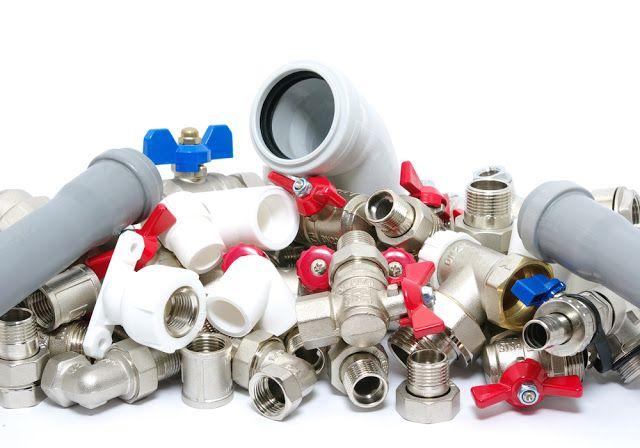
CPVC Pipe and Fittings Guide for Modern Plumbing
Walk into any modern construction site today, and you’ll notice a quiet shift happening behind the walls. Traditional materials are steadily being replaced by smarter, more efficient alternatives—and one standout among them is CPVC pipe and fittings.
Whether you're a homeowner planning a renovation, a contractor managing large-scale projects, or simply someone curious about plumbing upgrades, understanding CPVC can genuinely change how you approach water systems. It’s not just another material; it’s a solution shaped by durability, safety, and long-term performance.
Let’s explore why CPVC has become such a trusted choice—and whether it truly lives up to the hype.
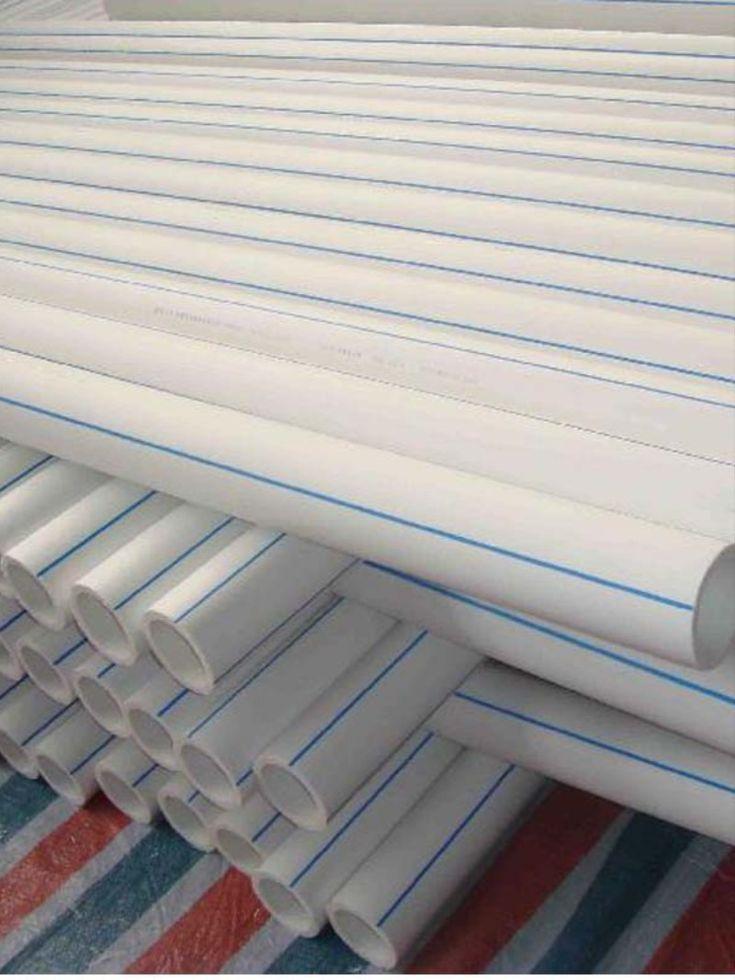
What Are CPVC Pipe and Fittings?
CPVC stands for Chlorinated Polyvinyl Chloride. It’s essentially PVC that has undergone a chlorination process, making it more heat-resistant and durable. This simple modification expands its usability, especially in hot water applications.
Unlike metal pipes that corrode over time or standard PVC that struggles with heat, CPVC offers a balanced combination of strength, flexibility, and resistance.
In simpler terms:
CPVC is what you get when plastic pipes evolve to handle real-world plumbing challenges better.
Why CPVC Is Gaining Popularity
There’s a reason more builders and engineers are switching to CPVC pipe and fittings. Actually, several reasons.
1. Heat Resistance That Makes a Difference
One of CPVC’s standout features is its ability to handle high temperatures. While traditional PVC can warp under heat, CPVC remains stable even with hot water flow.
This makes it perfect for:
- Residential hot water systems
- Industrial fluid transport
- Solar water heating setups
You don’t have to worry about deformation or weakening over time.
2. Corrosion? Not a Concern
Metal pipes often suffer from rust and corrosion—especially in areas with hard or chemically aggressive water.
CPVC, on the other hand:
- Doesn’t rust
- Doesn’t scale internally
- Maintains water quality
This means fewer maintenance headaches and longer-lasting systems.
3. Long Lifespan
Durability is where CPVC quietly shines. When installed correctly, CPVC systems can last 40–50 years or more.
That’s not just a claim—it’s something many contractors have observed in real-world usage.
Think about it: fewer replacements, fewer repairs, and more peace of mind.
4. Lightweight Yet Strong
Handling metal pipes can be physically demanding. CPVC offers a much lighter alternative without compromising strength.
This results in:
- Easier transportation
- Faster installation
- Reduced labor costs
It’s a practical advantage that professionals appreciate immediately.
Common Applications of CPVC Pipe and Fittings
CPVC isn’t limited to one niche. Its versatility allows it to be used across multiple industries and environments.
Residential Plumbing
This is where CPVC is most commonly used.
From kitchens to bathrooms, CPVC handles:
- Hot and cold water supply
- Overhead tanks
- Hidden piping systems
Homeowners often prefer it because it’s reliable and low-maintenance.
Commercial Buildings
In hotels, hospitals, and office complexes, plumbing systems face higher demand. CPVC fits perfectly due to its durability and safety.
It ensures:
- Consistent water flow
- Reduced downtime
- Long-term cost efficiency
Industrial Use
Industries dealing with chemicals or high-temperature fluids rely on CPVC for its chemical resistance.
Typical uses include:
- Chemical processing plants
- Water treatment facilities
- Manufacturing units
Fire Sprinkler Systems
CPVC is also approved for fire protection systems in many regions. Its ability to withstand heat and pressure makes it suitable for emergency setups.
CPVC vs Other Piping Materials
Choosing the right piping material can be confusing. Let’s simplify it with a practical comparison.
CPVC vs PVC
- Heat Resistance: CPVC wins
- Cost: PVC is cheaper
- Application: CPVC works for hot + cold, PVC mostly cold
If you need versatility, CPVC is the better option.
CPVC vs Copper
- Corrosion Resistance: CPVC wins
- Cost: CPVC is significantly cheaper
- Installation: CPVC is easier
Copper may still be preferred for aesthetic or traditional reasons, but CPVC offers better practicality.
CPVC vs PEX
PEX is flexible and easy to install, but CPVC provides:
- Higher rigidity
- Better chemical resistance
- More proven long-term reliability in certain conditions
Each has its place, but CPVC remains a strong contender.
Installation: What You Should Know
One of the reasons CPVC pipe and fittings are widely used is the simplicity of installation.
Solvent Cement Joining
Unlike welding or threading, CPVC uses a solvent cement process.
Steps typically include:
- Cutting the pipe cleanly
- Applying primer (if required)
- Applying solvent cement
- Joining and holding briefly
The bond created is strong and leak-proof when done correctly.
Tips for Better Installation
- Always use compatible fittings
- Avoid overtightening
- Keep pipes properly supported
- Allow curing time before pressure testing
A little attention during installation goes a long way in ensuring long-term performance.
Safety and Health Considerations
Water safety is a growing concern, and rightly so.
CPVC has been widely tested and approved for potable water systems. It doesn’t leach harmful substances into water when used under recommended conditions.
Additionally:
- It resists bacterial growth
- It maintains water purity
- It performs well in varying pH levels
For households, this translates into safer water delivery.
Real-World Example
Consider a mid-sized apartment project that initially used galvanized iron pipes. Within a few years, residents started facing issues—rusty water, leaks, and frequent repairs.
When the building underwent renovation, the plumbing was replaced with CPVC pipe and fittings.
The results?
- Water clarity improved immediately
- Maintenance complaints dropped significantly
- The system has remained stable for years
This isn’t an isolated case. Similar transitions are happening across cities.
Cost vs Value: Is CPVC Worth It?
At first glance, CPVC might seem slightly more expensive than basic PVC options. But focusing only on upfront cost can be misleading.
When you factor in:
- Longevity
- Minimal maintenance
- Ease of installation
- Reduced risk of damage
CPVC often turns out to be more economical in the long run.
It’s a classic case of spending smarter, not cheaper.
Environmental Impact
Sustainability is becoming a key factor in material selection.
CPVC contributes positively in several ways:
- Long lifespan reduces waste
- Energy-efficient manufacturing processes
- Lower replacement frequency
While no material is perfect, CPVC offers a balanced environmental footprint compared to many alternatives.
Common Myths About CPVC
Let’s address a few misconceptions.
“CPVC is just plastic, so it’s weak.”
Not true. CPVC is engineered for strength and durability. It performs exceptionally well under pressure and temperature.
“It’s not safe for drinking water.”
Incorrect. CPVC is widely approved for potable water systems and used globally.
“It cracks easily.”
When installed properly and used within recommended limits, CPVC is highly reliable.
When Should You Choose CPVC?
CPVC pipe and fittings are ideal when:
- You need both hot and cold water systems
- Long-term durability is a priority
- Maintenance access is limited
- Water quality needs to be preserved
In short, it’s a dependable all-rounder.
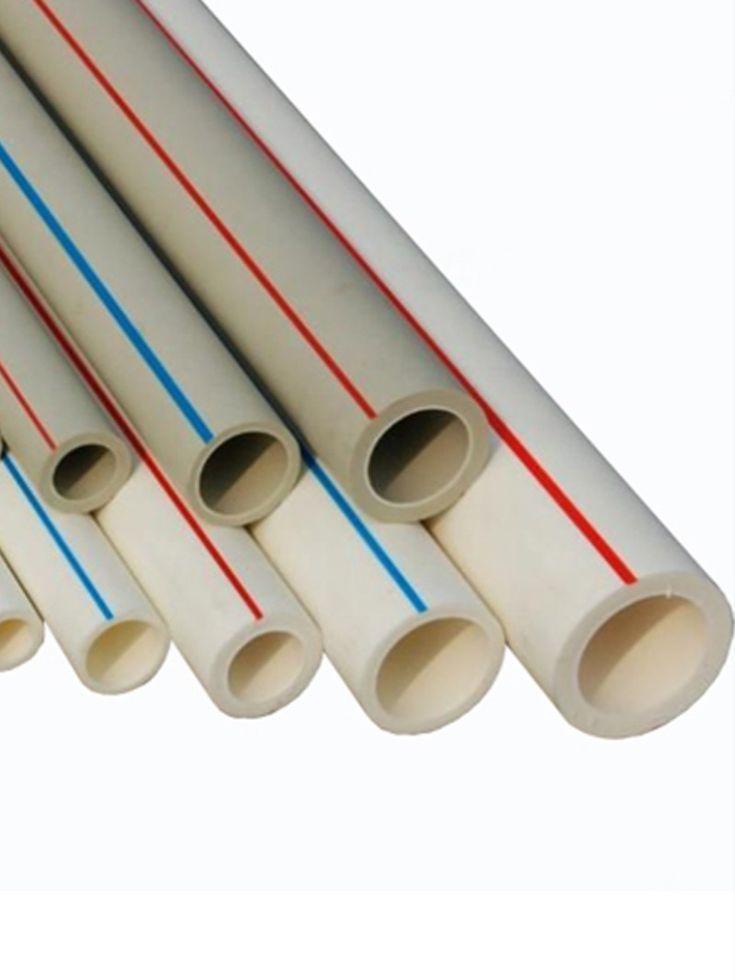
Final Thoughts
Plumbing may not be the most visible part of a building, but it’s certainly one of the most critical. The materials you choose today quietly shape performance, safety, and maintenance for decades.
CPVC pipe and fittings have earned their place in modern plumbing not through hype, but through consistent, real-world performance. They offer a thoughtful balance of durability, safety, and efficiency—qualities that matter far more over time than initial cost alone.
For anyone looking to build or upgrade with confidence, CPVC isn’t just an option worth considering—it’s one that continues to prove its value where it matters most: behind the scenes, doing its job without fuss.

 English
 Arabic
 Spanish
 Portuguese
 Deutsch
 Turkish
 Dutch
Dutch
 Italiano
 Russian
 Romaian
 Portuguese (Brazil)
 Greek
Greek