


Weatherproof db box Solutions by Nante: Spec and Install Tips
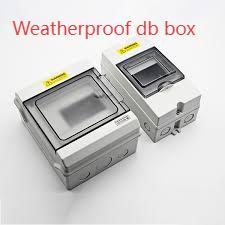
Outdoor electrical projects demand durable enclosures that protect wiring from moisture, dust, and mechanical stress. In these settings, selecting the correct Weatherproof db box in the middle of your system layout can be the difference between reliable service and repeated repairs. This guide examines materials, ratings, installation practices, and maintenance strategies to help technicians, specifiers, and procurement teams choose enclosures that perform reliably for years.
Material choices and corrosion resistance
The enclosure’s material is the primary defense against harsh environments. Polycarbonate and fiberglass-reinforced polyester offer excellent impact resistance and corrosion immunity for coastal and chemical-exposed sites. Stainless steel or powder-coated steel provides higher mechanical strength but requires quality surface treatment to prevent rust in salty or acidic atmospheres. When selecting metal bodies, prioritize marine-grade stainless alloys and epoxy-based coatings with proven adhesion warranties. Consider gaskets, fasteners, and hinge hardware that match the housing material to avoid galvanic corrosion where dissimilar metals meet.
Ingress protection, thermal performance, and ventilation
Ingress Protection (IP) and NEMA ratings describe how well an enclosure resists water, dust, and accidental contact. For exposed installations, target enclosures rated for water jets or temporary submersion as needed. Thermal behavior is equally important: internal heat from breakers, transformers, or electronics must be dissipated without allowing water entry. Passive thermal paths, thermal pads, or isolated ventilation chimneys can control internal temperatures while maintaining the integrity of seals. Avoid design shortcuts such as unprotected vents or poorly seated lids that compromise both thermal management and weather resistance.
Configuration, layout, and wiring practices
Good internal organization simplifies maintenance and reduces fault risks. Internal mounting panels should allow for tidy routing of conductors, separation of power and control wiring, and secure fixing of heavier components. Cable entry must use glands or conduit adapters sized to the conductor and sealing requirement — a snug, correctly rated gland prevents moisture migration and strain on the internal terminations. Where frequent access is expected, design with removable sub-panels or hinged doors that expose wiring without disturbing primary seals. Clear labeling and circuit maps inside the lid speed troubleshooting and safety lockout procedures.
Installation tips and field testing
Site preparation matters. Mounting surfaces must be flat, structurally sound, and positioned to avoid direct splash or pooling. Use corrosion-resistant fasteners and apply appropriate sealant between the enclosure flange and the mounting plane when needed. After installation, perform basic field tests: continuity of protective earth, insulation resistance between live conductors and ground, and functional verification of protection devices. A water spray or hose test (where safe and authorized) can verify sealing performance under realistic exposure conditions before commissioning.
Maintenance, inspection cycles, and lifecycle planning
Even the best enclosure benefits from routine inspection. Scheduled checks should verify gasket condition, screw torque on terminals, evidence of moisture ingress, and thermal discoloration that signals overheating. Replace damaged seals and corroded hardware promptly; consider keeping a small service kit with spare gaskets and mounting fasteners on site. For long-term planning, adopt a spare-parts strategy that focuses on replaceable subcomponents, such as door assemblies or mounting plates, rather than entire enclosures. Document all inspections and interventions to build a failure-history database that improves future specification choices.
Adaptations for special environments
Certain sites require tailored solutions: food-processing plants need hygienic, easy-to-clean surfaces; mining operations demand extra impact protection and dust-tight seals; marine installations must resist salt spray and shipboard vibration. In these cases, choose enclosures with industry-specific approvals and proven field histories. Modular systems that permit field upgrades — such as adding filters, heaters, or internal mounts — extend the usable life of the installation and can reduce total cost of ownership compared with fixed, custom boxes.
Troubleshooting common field failures
When issues arise, follow a methodical approach: visual inspection for signs of ingress or mechanical damage, thermal scanning to detect hotspots, and electrical testing to confirm circuit integrity. Common root causes include improper cable entry sealing, undersized components leading to overheating, and mechanical stress from vibration or poor mounting. Address the fundamental cause rather than repeatedly replacing damaged parts; improving strain relief, adjusting conductor sizes, or relocating the enclosure to a less exposed position often prevents recurrence.
Final recommendations
Specify enclosures that match both the environmental challenges and the electrical load profile of the installation. Prioritize material compatibility, certification to recognized IP/NEMA standards, and thoughtful internal layouts that simplify service. Engage suppliers who provide clear installation guidance and readily available spare parts to minimize downtime. For additional product information and technical resources, visit https://www.nante.com

 Arabic
 French
 Spanish
 Portuguese
 Deutsch
 Turkish
 Dutch
Dutch
 Italiano
 Russian
 Romaian
 Portuguese (Brazil)
 Greek
Greek