


Kunliwelding: Why Does ER5183 Produce Harder Welds?
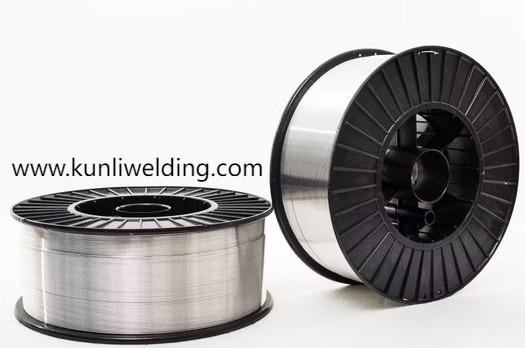
Welding creates metallurgical bonds that must perform under challenging conditions, often requiring properties that exceed base material characteristics. Kunli Aluminum Welding Wire ER5183 produces weld deposits with enhanced hardness and corrosion resistance through carefully balanced alloying chemistry, making Aluminum Welding Wire ER5183 valuable in demanding applications. The mechanisms behind these improved properties involve complex interactions between alloying elements, solidification patterns, and microstructural development. Understanding how this filler material achieves superior performance helps welders and engineers select appropriate materials for critical joints.
Magnesium's Role in Strength Development
The primary alloying element in this filler wire is magnesium, which fundamentally alters the mechanical properties of aluminum welds. Magnesium atoms dissolve into the aluminum matrix during solidification, creating a solid solution that resists dislocation movement at the atomic level. This solid solution strengthening mechanism increases hardness without requiring heat treatment or aging processes. The magnesium content also refines grain structure during cooling, producing smaller crystalline regions that enhance strength through grain boundary effects. These metallurgical transformations occur naturally as the weld pool solidifies, creating favorable properties in the as welded condition.
Chromium Additions and Corrosion Protection
Small amounts of chromium present in the alloy composition contribute significantly to corrosion resistance. Chromium forms stable oxide compounds that integrate into the protective surface layer naturally present on aluminum. This enhanced oxide film resists breakdown in corrosive environments, particularly in marine and industrial atmospheres. The chromium also creates dispersed intermetallic particles throughout the weld microstructure that act as barriers to corrosion propagation. When the surface encounters aggressive chemicals or saltwater, the chromium enriched zones slow penetration and pitting initiation. This protection remains effective throughout the service life of welded structures.
Manganese Contributions to Microstructure
Manganese additions work synergistically with other elements to optimize weld metal properties. During solidification, manganese helps control grain growth, preventing the formation of coarse structures that would reduce mechanical performance. The element also scavenges impurities that might otherwise concentrate at grain boundaries and create weak points susceptible to corrosion. Manganese containing intermetallic compounds distributed through the weld matrix provide additional obstacles to crack propagation. The presence of this element ensures consistent properties across the entire weld zone, from fusion line to weld center.
Solidification Behavior and Crystal Formation
The way molten weld metal transforms into solid material profoundly affects final properties. This particular alloy composition promotes directional solidification with favorable dendrite orientation. The cooling rate and thermal gradients influence how alloying elements distribute themselves within the developing crystal structure. Rapid solidification traps elements in supersaturated solid solution, maximizing strengthening effects. The absence of certain impurities prevents the formation of brittle phases that would compromise both hardness and corrosion resistance. Controlled solidification produces uniform microstructures free from the segregation that plagues some aluminum alloys.
Grain Boundary Engineering
The interfaces between crystalline grains represent critical zones in weld microstructure. This filler material creates grain boundaries enriched with beneficial alloying elements that resist corrosion attack. The boundaries also remain coherent and well bonded, preventing the intergranular corrosion that weakens some aluminum welds. Fine grain structures developed during solidification increase the total boundary area per unit volume, distributing stress more evenly and increasing overall hardness. The grain morphology resists crack initiation and propagation, contributing to the mechanical integrity of welded joints.
Passivation Layer Formation
Upon exposure to atmosphere, aluminum naturally forms a thin oxide layer that protects underlying metal. The alloying elements in this filler wire enhance this passivation process, creating more stable and adherent protective films. The oxide layer regenerates quickly if damaged, maintaining corrosion protection even when surface scratches occur. In acidic or alkaline environments where standard aluminum might corrode, the enhanced passivation layer provides additional resistance. This self healing characteristic ensures long term durability without requiring external protective coatings in many applications.
Heat Affected Zone Considerations
Welding inherently creates zones adjacent to the fusion line where base metal experiences thermal cycling without melting. The compatibility between this filler wire and common base alloys minimizes property degradation in heat affected zones. The weld metal often exhibits superior corrosion resistance compared to adjacent base material, creating a favorable condition where the joint outperforms surrounding metal. This relationship reduces concerns about preferential corrosion at weld interfaces, a common problem with poorly matched filler materials.
Strain Hardening Potential
While the weld deposits exhibit good hardness in the as welded condition, they also respond favorably to mechanical working if required. Cold working operations like peening or forming further increase surface hardness through strain hardening mechanisms. The alloy composition allows significant deformation before fracture, enabling fabricators to shape welded assemblies when necessary. This ductility combined with strength provides versatility in manufacturing processes while maintaining the corrosion resistance that makes the alloy valuable.
Electrochemical Stability
The electrical potential relationships between this filler wire and common aluminum base alloys prevent galvanic corrosion at weld interfaces. When dissimilar metals contact each other in conductive environments, electrical currents can accelerate corrosion of the less noble material. The careful balance of alloying elements ensures the weld metal remains electrochemically compatible with parent materials. This compatibility extends to situations where welds join different aluminum alloys, maintaining corrosion resistance across the entire assembly.
Long Term Performance Characteristics
Weld properties remain stable throughout extended service periods because the strengthening mechanisms do not rely on metastable phases. Unlike some precipitation hardened alloys that lose strength over time, the solid solution strengthening in this material persists indefinitely. The corrosion resistance similarly continues protecting structures for decades in marine and industrial environments. Field experience across diverse applications confirms the durability of joints made with Aluminum Welding Wire ER5183, validating the metallurgical principles behind its performance.
The superior hardness and corrosion resistance achieved by this filler material result from sophisticated alloying chemistry and favorable solidification behavior. These properties make it suitable for critical applications where joint performance directly affects structural integrity and longevity. For comprehensive welding solutions supporting demanding fabrication requirements, visit https://www.kunliwelding.com/product/ to explore available options.

 Arabic
 French
 Spanish
 Portuguese
 Deutsch
 Turkish
 Dutch
Dutch
 Italiano
 Russian
 Romaian
 Portuguese (Brazil)
 Greek
Greek