


Property Snagging Guide for Quality New Homes
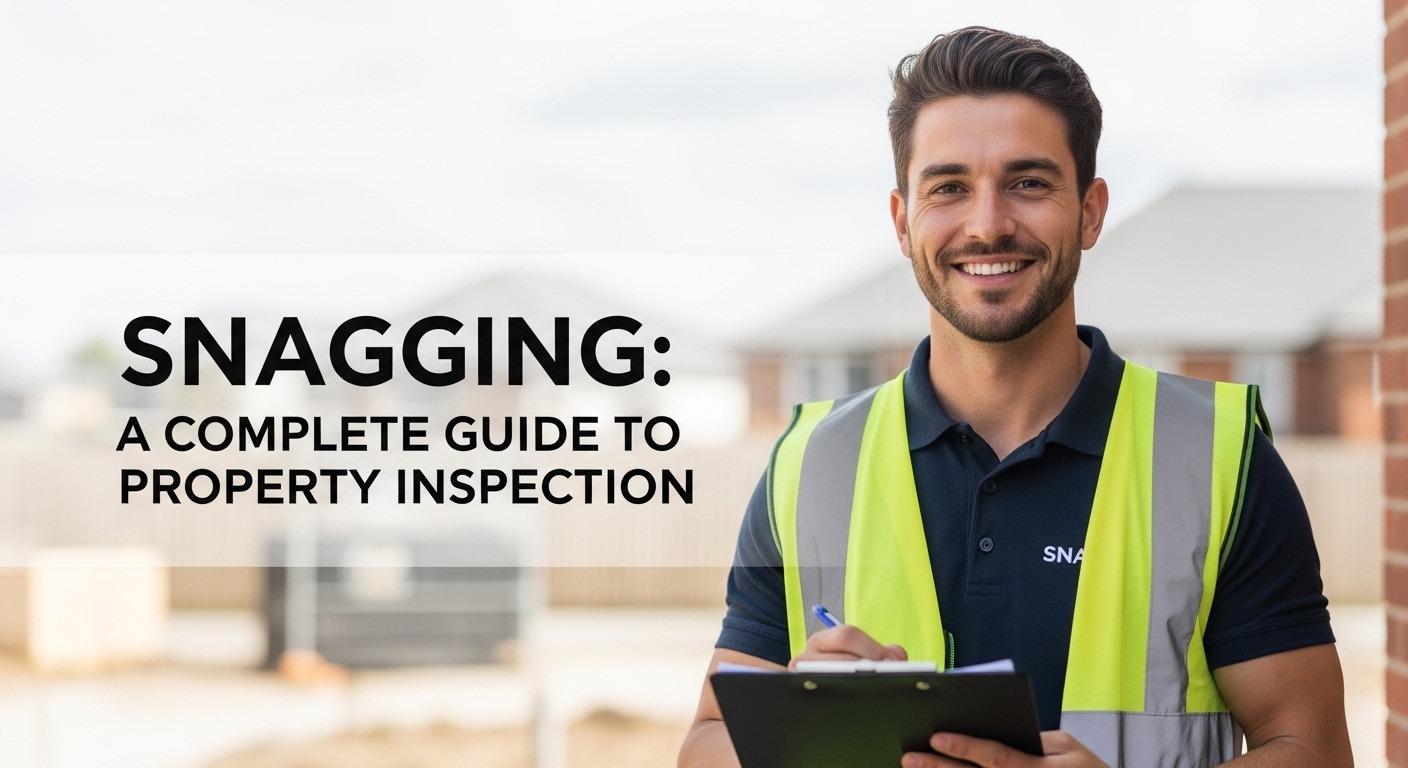
Property snagging is a crucial step for anyone purchasing a newly built or recently renovated property. It ensures that the home you receive meets quality standards and is free from defects, incomplete work, or poor finishing. While new properties are expected to be perfect, the reality is that minor and sometimes major issues can exist due to construction errors or rushed timelines.
For homebuyers and investors, property snagging acts as a safeguard. It helps identify problems early and ensures they are fixed before they turn into long-term concerns. This process is especially important in modern real estate markets where properties are often handed over quickly, sometimes without thorough quality checks.
What is Property Snagging
Property snagging is a detailed inspection carried out to identify defects or unfinished work in a property. These defects, commonly known as snags, can range from small cosmetic issues to more serious structural or functional problems.
The inspection typically results in a snagging report, which lists all the issues found in the property. This report is shared with the developer or contractor, who is responsible for fixing the problems within an agreed timeframe.
Importance of Property Snagging
Property snagging is important because it ensures that buyers receive exactly what they have paid for. Even newly built homes can have defects that may not be visible during a standard viewing.
One of the key benefits of snagging is cost savings. Addressing issues before moving in means the developer usually covers the repairs, reducing financial burden on the buyer.
Safety is another major factor. Problems such as faulty electrical systems, plumbing leaks, or poorly installed fixtures can pose risks. Snagging helps identify and resolve these issues before they become dangerous.
Additionally, snagging provides peace of mind. Knowing that your home has been thoroughly checked allows you to settle in with confidence.
What Does Property Snagging Cover
A comprehensive snagging inspection covers all aspects of a property to ensure it is completed to a high standard.
Structural Elements
Inspectors check walls, ceilings, floors, and the overall structure for cracks, uneven surfaces, or poor workmanship.
Electrical Systems
Switches, sockets, wiring, and lighting are examined to ensure proper functionality and safety.
Plumbing Systems
Pipes, taps, drainage, and water pressure are tested. Inspectors look for leaks, blockages, and installation issues.
Doors and Windows
All doors and windows are checked for proper alignment, smooth operation, and effective sealing.
Finishes and Fixtures
Paintwork, tiling, cabinets, and fittings are reviewed to ensure quality and completeness.
Types of Property Snagging
Property snagging can be carried out at different stages depending on the buyer’s situation.
Pre Handover Snagging
This inspection takes place before the property is officially handed over. It allows all issues to be fixed before moving in.
Post Handover Snagging
This is done after taking possession of the property. It helps identify defects that may not have been noticeable earlier.
Warranty Snagging
Many properties come with a warranty period. Snagging during this time ensures that any defects are reported and resolved while still covered.
Benefits of Property Snagging
Property snagging offers several advantages that make it an essential step for buyers.
One major benefit is quality assurance. It ensures that the property meets expected standards and is ready for occupancy.
Another benefit is financial protection. Fixing issues early reduces the chances of costly repairs in the future.
Snagging also enhances comfort and satisfaction. A properly finished home provides a better living experience.
For investors, snagging ensures that the property is ready for rental or resale without unexpected issues.
Property Snagging Process
The property snagging process begins with a thorough inspection of the property. This can be done by the buyer or a professional inspector.
During the inspection, every accessible area is checked for defects or incomplete work. Notes and images may be taken to document the findings.
After the inspection, a detailed snagging report is prepared. This report lists all identified issues and provides clear descriptions.
The report is then shared with the developer or contractor, who is responsible for fixing the issues. Follow-up inspections may be carried out to ensure all problems have been resolved.
Common Issues Found During Snagging
Property snagging often reveals a variety of issues, even in brand-new homes. These may include cracks in walls, uneven flooring, and poor paint finishes.
Electrical problems such as loose wiring or non-functional switches are also common. Plumbing issues like leaks or low water pressure may be identified.
Doors and windows may not fit properly, and fixtures may be poorly installed. Identifying these problems early ensures they are addressed before they worsen.
Tips for Effective Property Snagging
To get the best results from property snagging, it is important to follow some practical tips.
Hire an experienced inspector who understands construction standards. Their expertise can help identify even minor defects.
Inspect the property carefully and take your time. Rushing the process may lead to missed issues.
Document all problems clearly and communicate them with the developer. Keep track of progress and ensure all defects are fixed.
Do not finalize the handover until major issues are resolved. This ensures that you receive a property in the best possible condition.
FAQs About Property Snagging
What is property snagging
Property snagging is the process of identifying defects and unfinished work in a new or renovated property.
Is snagging necessary for new homes
Yes, new homes can still have construction defects, making snagging essential.
Who fixes the issues found during snagging
The developer or contractor is responsible for fixing the issues identified in the snagging report.
When should snagging be done
Snagging can be done before handover, after moving in, or during the warranty period.
Can I perform snagging myself
You can inspect the property yourself, but hiring a professional ensures a more thorough assessment.
Conclusion
Property snagging is a vital step that ensures your new home is delivered in excellent condition. It helps identify defects, ensures quality, and protects your investment.
By addressing issues early, property snagging saves money, improves safety, and enhances overall satisfaction. Whether you are a homeowner or an investor, taking the time to conduct a thorough snagging inspection leads to a better and more secure property experience.

 English
 Arabic
 French
 Spanish
 Portuguese
 Deutsch
 Turkish
 Dutch
Dutch
 Italiano
 Romaian
 Portuguese (Brazil)
 Greek
Greek