


Special Flight Permit Dubai: A Complete Guide for Aircraft Operators
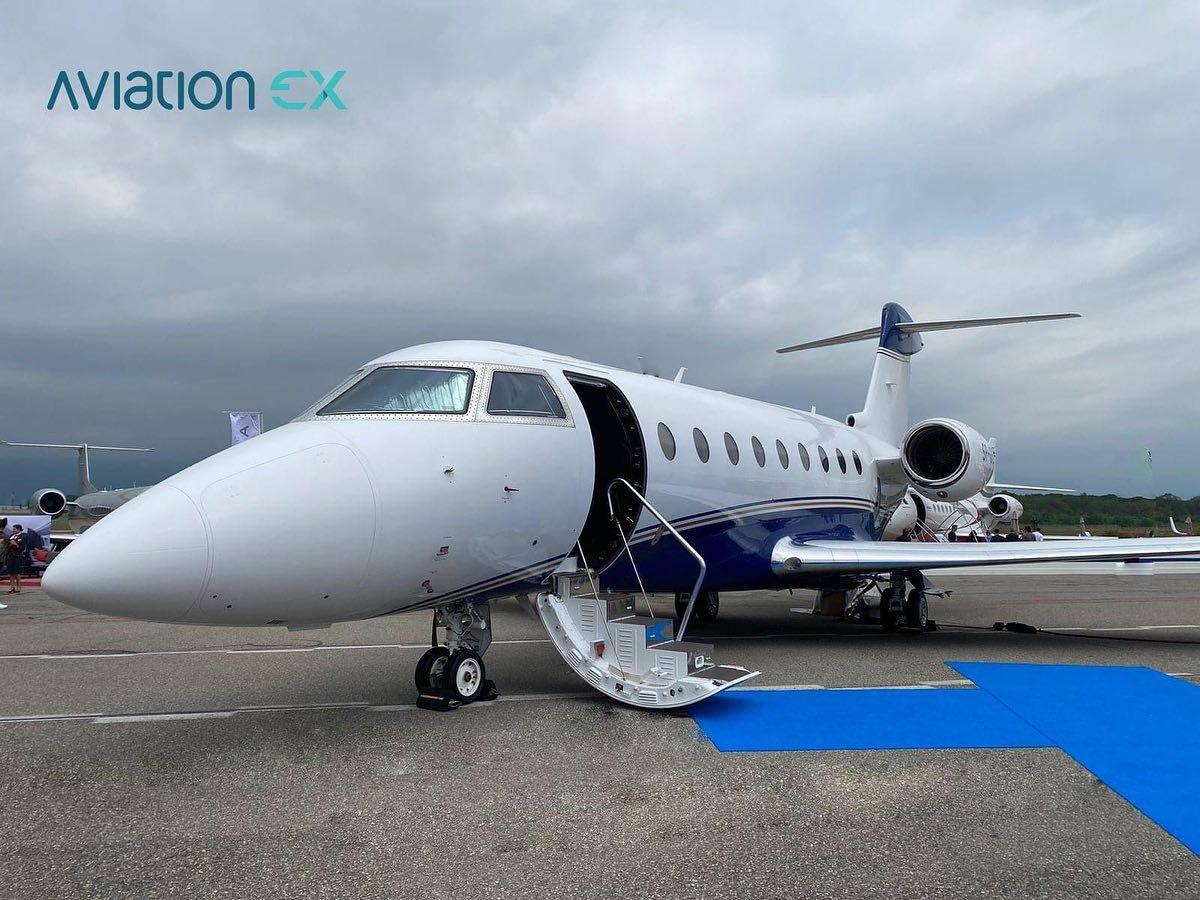
Special flight permit Dubai is an essential authorization required for aircraft that need to operate under specific conditions where a standard certificate of airworthiness may not be applicable. In a global aviation hub like Dubai, where efficiency and compliance are critical, special flight permits ensure that aircraft can safely conduct non-routine operations while adhering to strict regulatory standards.
What Is a Special Flight Permit?
A special flight permit, often referred to as a ferry permit, is issued to allow an aircraft to fly even if it does not fully meet standard airworthiness requirements. This permit is typically granted under controlled conditions to ensure safety during the flight.
In Dubai, aviation authorities carefully evaluate each application before issuing a permit. The purpose is to ensure that the aircraft can safely complete the intended journey without posing risks to passengers, crew, or public safety.
When Is a Special Flight Permit Required?
Aircraft operators may need a special flight permit Dubai in several situations, including:
- Ferrying an aircraft for maintenance or repairs
- Delivering a new or used aircraft
- Relocating an aircraft after storage
- Conducting test or demonstration flights
- Operating an aircraft that has minor damage but is still safe to fly
These permits are crucial for maintaining operational flexibility while ensuring compliance with aviation regulations.
Regulatory Framework in Dubai
Dubai’s aviation sector is governed by strict regulations set by the General Civil Aviation Authority (GCAA) of the UAE. The GCAA ensures that all flight operations, including those requiring special permits, meet international safety standards.
To obtain a special flight permit Dubai, operators must submit detailed documentation, including:
- Aircraft maintenance records
- Purpose of the flight
- Proposed route and operational details
- Risk assessment and safety measures
The authority reviews these documents thoroughly before granting approval.
Application Process
The process of obtaining a special flight permit typically involves the following steps:
- Submission of Application
Operators must submit a formal request along with all required documentation. - Technical Evaluation
Aviation authorities assess the aircraft’s condition to determine if it is safe for the intended flight. - Approval and Conditions
If approved, the permit is issued with specific conditions that must be followed during the flight. - Flight Execution
The aircraft operates under the guidelines outlined in the permit.
Timely submission and accurate documentation are key to avoiding delays in the approval process.
Key Considerations for Operators
When applying for a special flight permit Dubai, operators should keep the following factors in mind:
- Safety First: The aircraft must be deemed safe for the intended operation, even if it does not meet full airworthiness standards.
- Compliance: All regulatory requirements must be strictly followed.
- Documentation Accuracy: Incomplete or incorrect documentation can lead to delays or rejection.
- Operational Planning: Proper route planning and risk assessment are essential for approval.
Role of Aviation Service Providers
Many operators choose to work with aviation service providers to streamline the permit process. These professionals have in-depth knowledge of regulatory requirements and can assist with:
- Documentation preparation
- Coordination with authorities
- Flight planning and logistics
- Compliance management
Their expertise helps reduce processing time and ensures a smooth experience for operators.
Benefits of Special Flight Permits
Obtaining a special flight permit offers several advantages:
- Enables aircraft movement under non-standard conditions
- Supports maintenance and operational continuity
- Reduces downtime for aircraft operators
- Ensures compliance with aviation safety standards
These benefits make special permits an important tool for maintaining flexibility in aviation operations.
Challenges and Solutions
While the process is straightforward, operators may face challenges such as regulatory complexities, documentation requirements, and time constraints. However, these challenges can be addressed by:
- Staying updated with current regulations
- Working with experienced aviation professionals
- Preparing documentation in advance
- Maintaining clear communication with authorities
Proactive planning significantly improves the chances of a successful application.
Future Outlook
As Dubai continues to grow as a global aviation hub, the demand for special permits is expected to increase. Advancements in technology and streamlined regulatory processes will likely make it easier for operators to obtain approvals quickly.
Digital platforms and automated systems are also being introduced to enhance efficiency and transparency in permit issuance.
Conclusion
Special flight permit Dubai is a vital component of the aviation regulatory framework, allowing aircraft to operate safely under special circumstances. By ensuring compliance, maintaining safety standards, and enabling operational flexibility, these permits support the dynamic needs of the aviation industry. As the sector continues to evolve, understanding and efficiently managing the permit process will remain essential for aircraft operators worldwide.

 English
 Arabic
 Spanish
 Portuguese
 Deutsch
 Turkish
 Dutch
Dutch
 Italiano
 Russian
 Romaian
 Portuguese (Brazil)
 Greek
Greek