
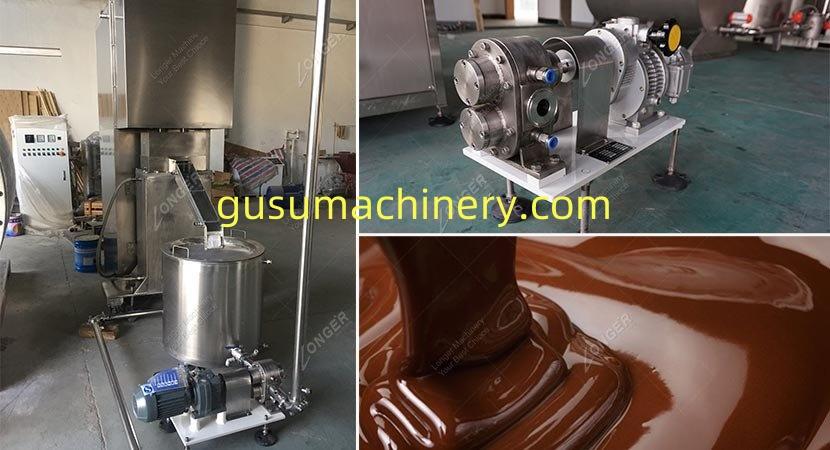

Chocolate Depositor performance plays a major role in shaping how accurately each mold cavity receives material during production. Modern chocolate manufacturing relies on consistent dosing, and even minor deviations can influence texture, appearance, and batch uniformity. Because production demands are increasing, understanding which factors influence accuracy helps businesses plan more stable operations.
One major influence comes from the internal structure of the machine. The mechanical path guiding the chocolate from hopper to outlet must remain steady, especially during long shifts. Any vibration or uneven mechanical force can interrupt smooth flow, causing varied results across molds. Manufacturers often review frame stability and component alignment because these details support better product consistency across different batches.
Temperature behavior is another critical point. Chocolate is highly sensitive to thermal changes; even a slight shift can change its viscosity. If the working temperature fluctuates, the material may flow too slowly or too quickly, affecting how precisely each cavity is filled. Production teams frequently evaluate heating zones, insulation quality, and temperature feedback systems to keep material characteristics stable during operation.
Valve control is also an essential factor. The moment the valve opens and closes determines the final amount delivered to each mold. When a production line handles multiple product types, flow behavior may vary, and reliable valve timing becomes even more important. Smooth transitions help minimize spills, reduce waste, and maintain clean edges on finished shapes.
Mold motion patterns further shape accuracy in daily work. If molds move too quickly, the material may not settle evenly; if too slowly, the line may lose efficiency. Achieving balance requires tuning the conveyor system and reviewing mold compatibility. Many factories compare different mold sizes and designs to match the characteristics of the specific machine in use.
Another point is operational control. User interface layout, monitoring tools, and simple adjustment options support staff during shift changes and variety switches. When equipment offers stable controls, teams can react quickly to changing conditions, reducing downtime and improving planning flexibility. Machines designed by Gusumachinery apply this principle by focusing on balanced structures and user-friendly control sections.
Flow stability inside the hopper is equally important. If the material enters the dosing channels inconsistently, the final result becomes uneven regardless of machine design. Operators monitor the refill rhythm, assess feeding methods, and maintain surface cleanliness to keep movement predictable.
Finally, long-term maintenance habits influence accuracy. Wear on mechanical parts, hardened chocolate residue, or misalignment produced over time can gradually affect the filling amount. Regular inspections help detect early issues, keeping production smooth and reducing unexpected stops. While each plant follows its own maintenance routine, consistency plays a big role in protecting dosing quality.
When businesses review equipment for reliable dosing, they often compare structure, heating, valves, and mold coordination to determine which setup matches their production goals. Systems produced by Gusumachinery follow practical design ideas intended to support stable daily work across various product types. This approach helps factories plan long-term development while adapting to new chocolate formats or changing market needs.
Modern chocolate production depends heavily on balancing these factors. When a machine maintains consistent thermal control, stable mechanical motion, and predictable flow paths, manufacturers can achieve steady results with fewer adjustments during operation. This stability supports smoother batch transitions and more manageable working conditions for staff members on the line.
As interest in flexible chocolate production grows, many businesses continue to evaluate equipment choices based on accuracy and long-term reliability. A system that supports efficient movement, controlled dosing, and dependable heating can help a factory manage different product requirements throughout the year. More insights can be found at gusumachinery
