


Is Skin Cancer Preventable? Tips for Long-Term Skin Protection
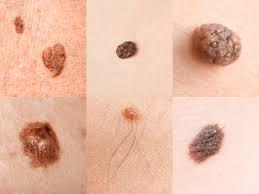
Skin cancer is one of the most common types of cancer worldwide. While it is a serious health condition, the encouraging news is that many cases can be prevented with the right lifestyle habits and proper skin care. Since skin cancer is largely linked to environmental factors, particularly exposure to ultraviolet (UV) radiation, adopting protective measures can significantly reduce the risk.
Understanding how skin cancer develops and learning practical prevention strategies can help individuals protect their skin for years to come.
Understanding Skin Cancer
Skin cancer occurs when skin cells grow abnormally and uncontrollably. This often happens due to damage caused by ultraviolet (UV) radiation from the sun or artificial sources such as tanning beds. Over time, this damage can alter the DNA in skin cells, leading to the development of cancer.
The three main types of skin cancer include:
-
Basal cell carcinoma – The most common and least aggressive type.
-
Squamous cell carcinoma – Often develops on sun-exposed areas and may grow deeper if untreated.
-
Melanoma – The most dangerous type, capable of spreading rapidly to other parts of the body.
The good news is that many of these cases can be prevented with proactive care and awareness.
Can Skin Cancer Be Prevented?
While not every case of skin cancer can be completely avoided, a large percentage of cases are preventable. By reducing exposure to harmful UV rays and maintaining good skin health practices, individuals can significantly lower their risk.
Prevention focuses on protecting the skin from sun damage, recognizing early warning signs, and maintaining regular skin examinations.
Limit Exposure to Ultraviolet (UV) Radiation
Excessive exposure to UV radiation is the leading cause of skin cancer. The sun emits both UVA and UVB rays, which can damage the skin and increase the risk of cancer over time.
To minimize UV exposure:
-
Avoid direct sunlight during peak hours (10 AM to 4 PM).
-
Seek shade whenever possible.
-
Be cautious near reflective surfaces like water, sand, and snow, as they can intensify UV exposure.
Reducing prolonged sun exposure can greatly decrease the risk of skin damage.
Use Sunscreen Every Day
One of the most effective ways to protect your skin is by applying sunscreen regularly. Sunscreen acts as a barrier that reduces the harmful effects of UV radiation on the skin.
For best protection:
-
Choose a broad-spectrum sunscreen that protects against both UVA and UVB rays.
-
Use sunscreen with SPF 30 or higher.
-
Reapply every two hours, especially after swimming or sweating.
-
Apply sunscreen even on cloudy days since UV rays can still penetrate through clouds.
Making sunscreen a daily habit can play a major role in preventing skin cancer.
Wear Protective Clothing
Clothing can provide an additional layer of protection against harmful UV rays. Certain fabrics are designed specifically to block sunlight and reduce skin exposure.
Protective clothing includes:
-
Wide-brimmed hats that shield the face and neck
-
Sunglasses with UV protection
-
Long-sleeved shirts and full-length pants
-
UV-protective fabrics designed for outdoor activities
By combining sunscreen with protective clothing, individuals can significantly improve their defense against sun damage.
Avoid Tanning Beds
Artificial tanning devices are another major contributor to skin cancer. Tanning beds emit intense UV radiation that can damage the skin and increase the risk of melanoma and other skin cancers.
Many people believe tanning beds are a safe alternative to natural sunlight, but research shows they can be even more harmful. Avoiding tanning beds entirely is one of the simplest ways to reduce skin cancer risk.
Check Your Skin Regularly
Early detection plays a crucial role in managing skin cancer. Performing regular skin self-examinations can help identify unusual changes before they become serious.
When checking your skin, look for:
-
New moles or spots
-
Changes in the size, shape, or color of existing moles
-
Sores that do not heal
-
Spots that bleed, itch, or become painful
If any suspicious changes appear, it is important to seek medical evaluation as soon as possible.
Schedule Regular Skin Checkups
Professional skin examinations are an important part of skin cancer prevention. A qualified medical professional can detect early signs of skin abnormalities that may not be visible during self-checks.
Regular skin checkups are particularly important for individuals who:
-
Have a family history of skin cancer
-
Have fair skin or many moles
-
Spend long hours in the sun
-
Have experienced severe sunburns in the past
Routine screenings help detect potential problems early and allow for timely treatment.
Maintain a Healthy Lifestyle
Overall health can also influence the body’s ability to protect and repair skin damage. Maintaining a healthy lifestyle supports stronger skin and immune function.
Helpful habits include:
-
Eating a balanced diet rich in antioxidants
-
Staying hydrated
-
Avoiding smoking
-
Managing stress levels
-
Getting adequate sleep
These lifestyle practices contribute to better skin health and may help reduce the long-term effects of environmental damage.
Educating Children About Sun Safety
Sun protection habits should begin early in life. Children are particularly vulnerable to sunburn and UV damage because their skin is more sensitive.
Parents can help prevent future skin problems by:
-
Applying sunscreen to children before outdoor activities
-
Encouraging the use of hats and protective clothing
-
Teaching kids to seek shade during peak sunlight hours
Developing these habits early can significantly reduce the risk of skin cancer later in life.
Final Thoughts
Although skin cancer is a common health concern, it is also one of the most preventable forms of cancer. Simple steps such as wearing sunscreen, limiting sun exposure, avoiding tanning beds, and monitoring changes in the skin can make a major difference in long-term skin protection.
By adopting healthy sun safety habits and staying aware of potential warning signs, individuals can take control of their skin health and reduce their risk of developing skin cancer in the future. Prevention, awareness, and early detection remain the most powerful tools in protecting the skin and maintaining overall well-being.

 Arabic
 French
 Spanish
 Portuguese
 Deutsch
 Turkish
 Dutch
Dutch
 Italiano
 Russian
 Romaian
 Portuguese (Brazil)
 Greek
Greek