


Diabetes Management with Professional Nursing Care at Home
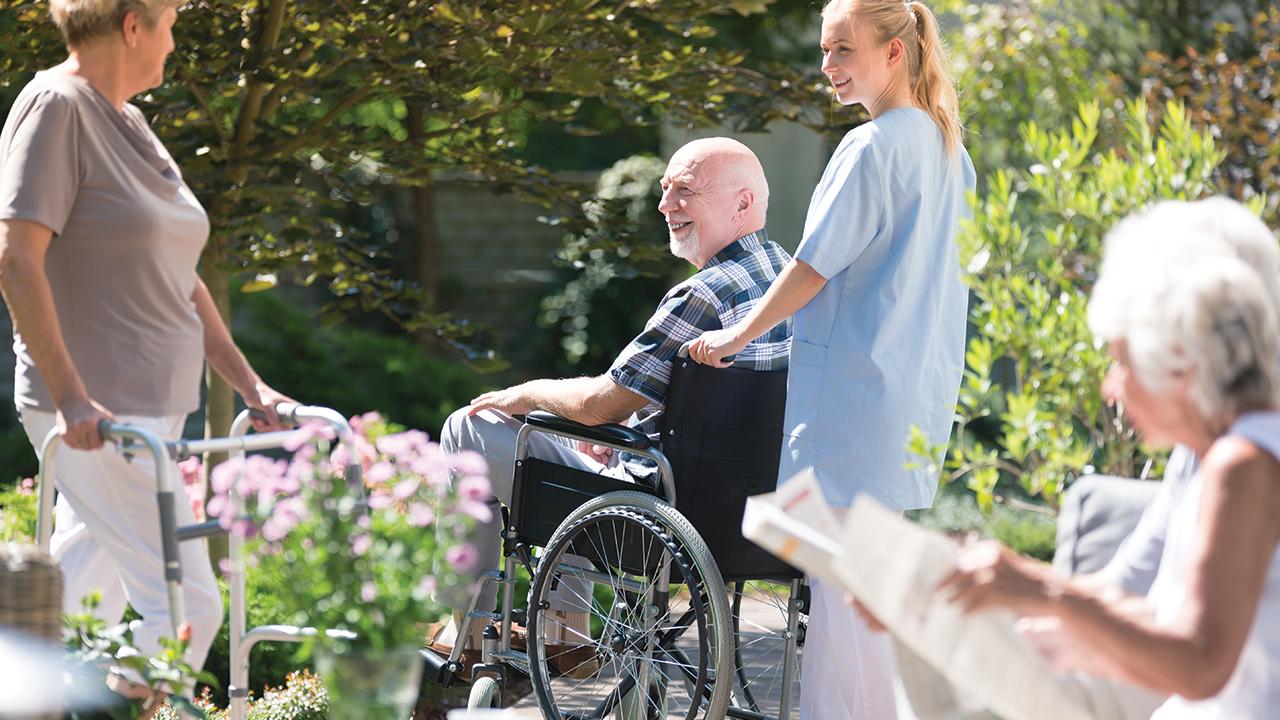
Diabetes is one of the most common chronic diseases worldwide, affecting millions of people every year. In Pakistan, the number of individuals living with diabetes is steadily increasing due to lifestyle changes, dietary habits, and genetic factors. Managing diabetes requires continuous monitoring, proper medication, lifestyle adjustments, and professional medical support.
For many patients, especially the elderly or those with complications, professional nursing care at home can make a significant difference in maintaining stable blood sugar levels and improving overall health. Home nursing services provide personalized medical support, ensuring patients receive consistent care in a comfortable environment.
This article explores how professional nursing care at home helps with diabetes management, the services involved, and why families are increasingly choosing home nursing for diabetic patients.
What is Diabetes and Its Challenges
Diabetes is a chronic condition that affects how the body processes glucose (blood sugar). When glucose levels remain high for extended periods, it can lead to serious health complications affecting the heart, kidneys, eyes, and nerves.
The two most common types of diabetes include:
Type 1 Diabetes
This occurs when the body cannot produce insulin. Patients with type 1 diabetes require lifelong insulin therapy.
Type 2 Diabetes
This is the most common form and occurs when the body does not use insulin effectively. It is often associated with lifestyle factors such as obesity, poor diet, and lack of physical activity.
Managing diabetes requires constant attention. Patients must monitor blood sugar levels, follow strict dietary plans, take medications regularly, and maintain an active lifestyle. Without proper care, diabetes can lead to complications such as:
-
Heart disease
-
Kidney damage
-
Nerve damage
-
Vision problems
-
Foot ulcers
-
Stroke
This is where professional nursing care at home becomes extremely valuable for patients and their families.
What Is Professional Nursing Care at Home?
Professional nursing care at home involves qualified nurses providing medical care and monitoring for patients in their own homes. These services are designed for individuals who need ongoing medical support but prefer the comfort of their home environment rather than frequent hospital visits.
Home nursing services may include:
-
Blood sugar monitoring
-
Medication management
-
Insulin administration
-
Wound care
-
Dietary guidance
-
Vital sign monitoring
-
Patient education
-
Complication prevention
For diabetic patients, these services help maintain consistent control of blood glucose levels and reduce the risk of serious health complications.
Why Diabetes Patients Benefit from Home Nursing Care
Managing diabetes requires discipline, consistency, and medical supervision. Many patients struggle to maintain proper routines without professional support. Home nursing care provides several benefits that improve diabetes management.
1. Regular Blood Sugar Monitoring
Monitoring blood glucose levels is essential for diabetic patients. Professional nurses ensure that blood sugar is checked regularly using accurate medical equipment.
They track fluctuations in glucose levels and report any concerning changes to the doctor. Early detection of abnormal readings helps prevent severe complications such as hyperglycemia or hypoglycemia.
Consistent monitoring also allows healthcare providers to adjust treatment plans when necessary.
2. Proper Insulin Administration
Many diabetic patients require insulin injections to regulate their blood sugar levels. However, incorrect dosage or improper injection techniques can cause serious health risks.
Professional nurses are trained to administer insulin safely and accurately. They also teach patients and family members how to manage insulin therapy correctly.
This reduces the chances of dosage errors and ensures patients receive the right treatment at the right time.
3. Medication Management
Diabetes treatment often involves multiple medications, including oral drugs and insulin therapy. Missing doses or taking medications incorrectly can disrupt blood sugar control.
Home nurses help manage medication schedules and ensure patients take their prescriptions on time. They also monitor possible side effects and communicate with physicians when adjustments are needed.
Medication management is particularly important for elderly diabetic patients who may struggle to remember their treatment routines.
4. Personalized Dietary Guidance
Diet plays a major role in diabetes management. Consuming foods high in sugar or refined carbohydrates can cause rapid spikes in blood glucose levels.
Professional nurses help patients follow proper dietary guidelines recommended by doctors or nutritionists. They provide guidance on:
-
Balanced meals
-
Portion control
-
Healthy food choices
-
Avoiding sugar spikes
-
Maintaining regular meal schedules
This guidance helps patients maintain stable glucose levels and improve overall health.
5. Prevention of Diabetes Complications
Uncontrolled diabetes can lead to severe complications such as nerve damage, kidney disease, and cardiovascular problems.
Home nurses regularly monitor patients for early signs of complications. This may include checking:
-
Blood pressure
-
Foot health
-
Skin condition
-
Wound healing
-
Circulation
Early detection allows healthcare providers to intervene quickly before the condition becomes serious.
6. Wound Care and Foot Care
Diabetic patients are at higher risk of developing wounds, infections, and foot ulcers due to poor circulation and nerve damage.
Professional nurses provide specialized wound care and foot care to prevent infections and promote healing. They also educate patients on proper foot hygiene and how to recognize warning signs of complications.
This type of care significantly reduces the risk of amputations in severe cases.
7. Patient and Family Education
Education is a key component of effective diabetes management. Home nurses teach patients and caregivers how to manage the condition safely.
This education may include:
-
How to use glucose monitors
-
Understanding insulin therapy
-
Recognizing symptoms of high or low blood sugar
-
Following a diabetes-friendly lifestyle
-
Emergency response for diabetic episodes
With proper knowledge, families feel more confident managing the condition at home.
Emotional and Psychological Support
Living with diabetes can be stressful and emotionally challenging for patients. Many individuals feel overwhelmed by the constant monitoring and lifestyle restrictions required to control their condition.
Professional nurses provide emotional support and encouragement to help patients stay motivated. Their presence helps reduce anxiety and ensures patients feel supported throughout their treatment journey.
This emotional support is especially important for elderly patients who may feel isolated or dependent on others.
The Role of Nurses in Emergency Situations
Diabetic emergencies such as severe hypoglycemia or hyperglycemia can occur suddenly and require immediate medical attention.
Professional nurses are trained to recognize early warning signs and respond quickly. They can stabilize patients and contact medical professionals when necessary.
Having trained medical staff at home significantly reduces the risk of life-threatening complications.
Advantages of Managing Diabetes at Home
Many families prefer home nursing services because they offer several advantages compared to hospital-based care.
Comfort and Convenience
Patients feel more relaxed in their home environment. Familiar surroundings improve emotional well-being and encourage faster recovery.
Personalized Care
Home nursing services provide individualized attention based on the patient’s specific needs. This personalized care often leads to better health outcomes.
Reduced Hospital Visits
Regular monitoring at home reduces the need for frequent hospital visits, saving time and reducing stress for both patients and caregivers.
Improved Quality of Life
Patients receiving professional care at home often experience improved independence and overall quality of life.
When Should You Consider Home Nursing for Diabetes?
Professional nursing care at home may be necessary if a patient:
-
Requires regular insulin injections
-
Experiences frequent blood sugar fluctuations
-
Has diabetes-related complications
-
Is elderly and needs assistance managing medications
-
Is recovering from diabetes-related hospitalization
-
Needs wound care or foot care
-
Requires 24-hour monitoring
If any of these situations apply, home nursing services can provide the medical support needed for effective diabetes management.
Choosing the Right Home Nursing Service
Selecting the right home nursing provider is essential for ensuring quality care. When choosing a service, families should consider:
-
Qualified and licensed nurses
-
Experience in chronic disease management
-
Personalized care plans
-
24/7 availability if needed
-
Positive patient reviews
-
Reliable medical supervision
Professional healthcare providers offering home nursing services ensure patients receive safe, compassionate, and effective care.
The Future of Diabetes Care at Home
With advances in healthcare technology and the growing demand for personalized medical services, home nursing care is becoming an essential part of diabetes management.
Remote monitoring devices, digital glucose tracking, and telehealth consultations allow healthcare providers to monitor patients more effectively from home.
As awareness increases, more families are choosing professional nursing care at home as a practical and compassionate solution for managing chronic diseases like diabetes.
Conclusion
Diabetes is a lifelong condition that requires careful monitoring, consistent treatment, and lifestyle adjustments. Without proper management, it can lead to serious health complications that affect a patient’s quality of life.
Professional nursing care at home provides essential medical support that helps diabetic patients maintain stable blood sugar levels, prevent complications, and live healthier lives. From medication management and insulin administration to dietary guidance and emotional support, home nurses play a vital role in improving patient outcomes.
 Italiano
 English
 Arabic
 French
 Spanish
 Portuguese
 Deutsch
 Turkish
 Dutch
Dutch
 Russian
 Romaian
 Portuguese (Brazil)
 Greek
Greek