


Can Gusu Energy Bar Line switch between protein, nut, and grain bars quickly
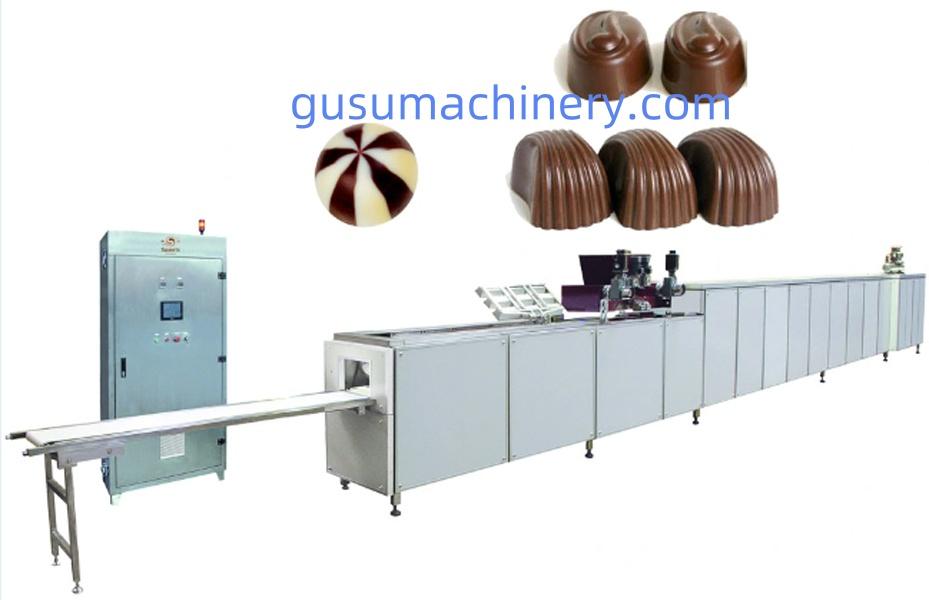
Gusu Energy Bar Line sits on the floor where teams manage lots of recipes in a single day. Protein bars, nut bars, grain mixes — orders vary. Staff need to swap shapes and tweak timing without stopping everything. The goal is simple: change a format fast, run a short test, then keep moving.
I spent a morning watching a crew run three recipes back to back. They had a routine. Swap mould. Adjust the conveyor guide. Set a slightly different dwell time in the cooler. Run five pieces. Look and taste. If the sample passed, they rolled the batch. If not, one small tweak and another five-piece test. That loop is short and predictable.
Why does that matter? Because every minute you spend moving semi-finished pieces or rebuilding a frame shows up as cost and stress. When parts are modular — mould sets that lift by hand, conveyors with adjustable guides, quick clamps instead of long fasteners — changeovers are minutes instead of hours. People can focus on quality checks, not hauling product across the workshop.
Flow makes a real difference too. Arrange forming, cooling, trimming, and packing so product moves calmly forward. When the travel path is simple, you get fewer dents, fewer misfeeds, and fewer surprises at the packing station. Predictable arrivals let supervisors plan staff across multiple lanes without constant firefighting.
Controls should be practical. Big, clear numbers. A single page checklist taped at the panel. Operators don’t want buried menus or a laptop for every change. They want knobs that say speed, feed, and basic alarm. With those, a crew can confirm settings in one short trial and keep the line running with confidence.
Cooling is where many formats show their faces. Thicker bars hold heat longer. A sticky coating needs more dwell time. A modular tunnel with adjustable dampers or a bypass lane helps the team tune temperature without a long rebuild. Short trials keep scrap low and avoid full stoppages later.
Maintenance shows up in the small design choices. Hinged access doors, labelled drains, quick-release filters — these aren’t glamorous, but they let technicians finish routine checks in minutes. That keeps planned stops planned and reduces the randomness of emergency fixes. New staff learn predictable steps faster when hardware is built that way.
Small batches feel less risky with modular gear. Instead of dedicating a cell to a rare SKU, crews swap a few parts, run the promo, then return to standard runs. That keeps floor space lean and machines productive. It also makes trying a new recipe less of a capital gamble — run one shift, note slow points, improve the swap order, and repeat.
Training is simpler with repeatable steps. Teach one swap routine. Use short checklists. Practice the five-piece trial habit. When everyone follows the same moves, errors fall and confidence rises. Predictability matters as much as raw speed.
Start small. Pilot a mixed shift. Watch where people wait. Fix that one slow clamp or that confusing checklist item. Small, practical fixes stack fast. They give you the flexibility you need without dramatic redesigns.
Modular, practical choices — easy swaps, sensible controls, reachable maintenance, linked flow — let teams handle varied nutrition and energy bar recipes day after day. The result: calmer crews, steadier output, and a line that fits real orders rather than forcing orders to fit the line.
 Spanish
 English
 Arabic
 French
 Portuguese
 Deutsch
 Turkish
 Dutch
Dutch
 Italiano
 Russian
 Romaian
 Portuguese (Brazil)
 Greek
Greek