


How Does Valve Test Bench Machine Improve Safety Standards?
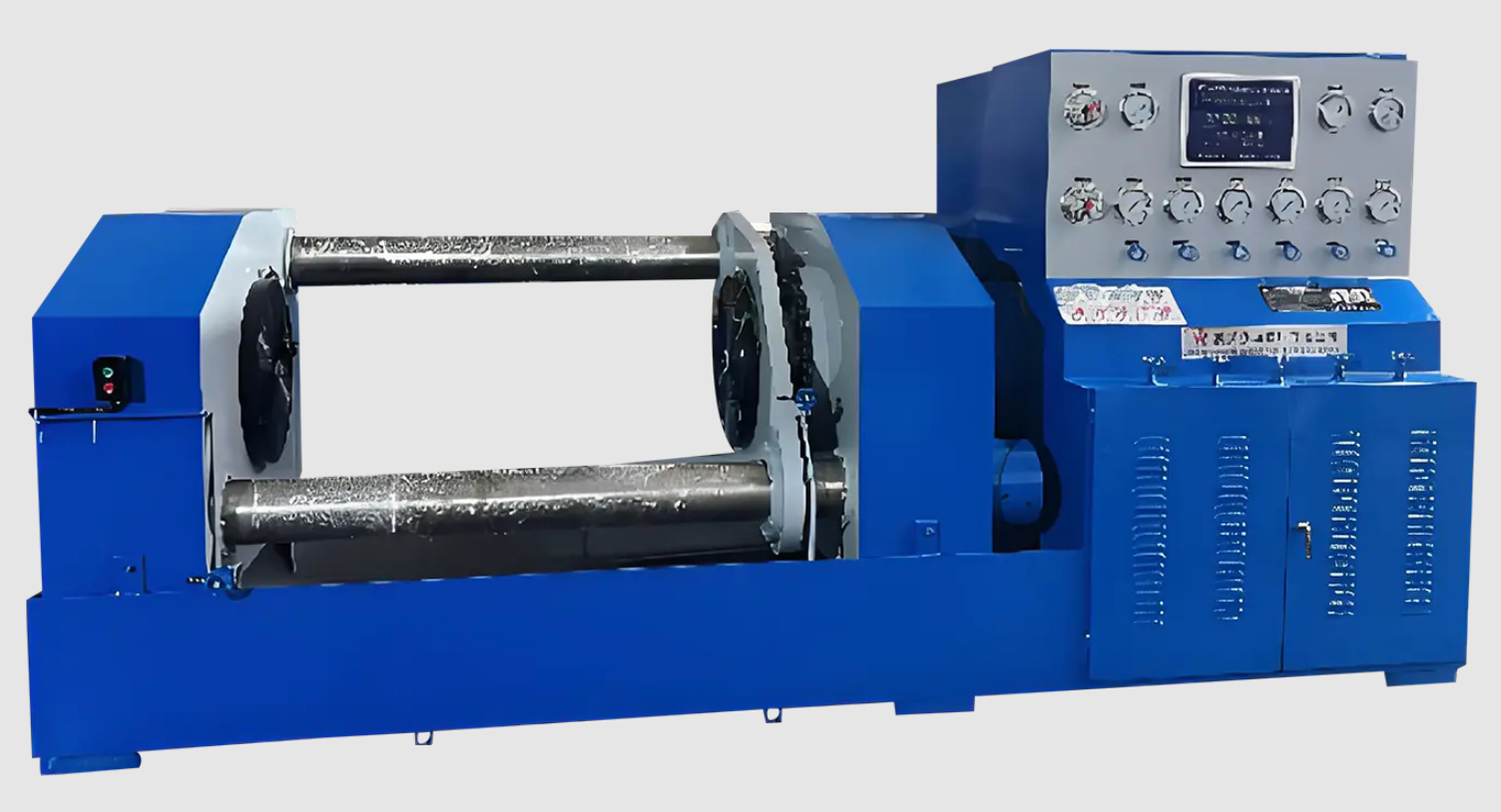
A Valve Test Bench Machine and Control Valve Test Bench are often used together in industrial maintenance environments where valve reliability directly affects system stability. When pipelines operate under pressure, even small valve performance deviations may lead to leakage, flow instability, or unexpected shutdowns. Many operators still rely on field installation testing, which often lacks consistency and repeatability, creating uncertainty in quality control processes.
Industrial valve systems are no longer simple mechanical components. They now integrate with automated control systems, especially in petrochemical plants, water treatment facilities, and power stations. Under these conditions, the ability to verify valve response accurately becomes a core requirement rather than an optional step.
One of the main challenges in valve testing is inconsistency in manual evaluation. When operators use traditional pressure testing methods, results can vary due to human judgment, environmental conditions, and equipment limitations. A Valve Test Bench Machine reduces this variability by providing controlled pressure input, measurable output signals, and repeatable testing sequences. This improves consistency across batches of valves, especially in mass production environments.
A Control Valve Test Bench focuses more on dynamic behavior testing. Instead of only checking sealing performance, it evaluates how a control valve responds to signal changes, such as 4–20 mA current input or pneumatic control pressure variations. In many industries, response time differences as small as 0.2–0.5 seconds can affect process stability, particularly in chemical mixing or steam regulation systems.
Testing systems also address safety concerns. High-pressure environments can be risky when testing is done manually without proper shielding or automated control. Modern test benches often include safety interlocks, overload protection, and emergency release systems. These features help reduce operator exposure to high-pressure failures or sudden valve rupture during testing.
Another practical issue is traceability. Industries are increasingly required to document valve performance data for compliance audits. A Valve Test Bench Machine typically includes digital recording functions that store pressure curves, leakage rates, and response times. This data can later be used for maintenance planning or certification reporting.
In comparison, a Control Valve Test Bench provides more advanced signal simulation capabilities. Engineers can simulate different operating conditions, such as pressure fluctuations or control signal delays, to observe how the valve reacts in non-ideal conditions. This helps identify performance degradation that may not be visible under standard test pressure.
Efficiency is also a key factor. Traditional testing methods may take 20–40 minutes per valve depending on complexity. Automated systems can reduce this time significantly by using pre-set programs. For production lines handling hundreds of valves daily, even a 30% reduction in testing time can improve overall throughput.
Industries such as oil refining and district heating systems rely heavily on consistent valve performance. A small deviation in valve regulation can lead to energy loss or system imbalance. Testing equipment helps reduce these risks by ensuring each unit meets defined operating parameters before installation.
As industrial systems continue to evolve toward automation and remote monitoring, valve testing equipment is also adapting. Many modern systems now support software integration, allowing engineers to analyze performance trends over time rather than relying on single test results.

 Arabic
 French
 Spanish
 Portuguese
 Deutsch
 Turkish
 Dutch
Dutch
 Italiano
 Russian
 Romaian
 Portuguese (Brazil)
 Greek
Greek