


Why Does My Car’s Suspension Make a Squeaking Noise When Going Over Speed Bumps?
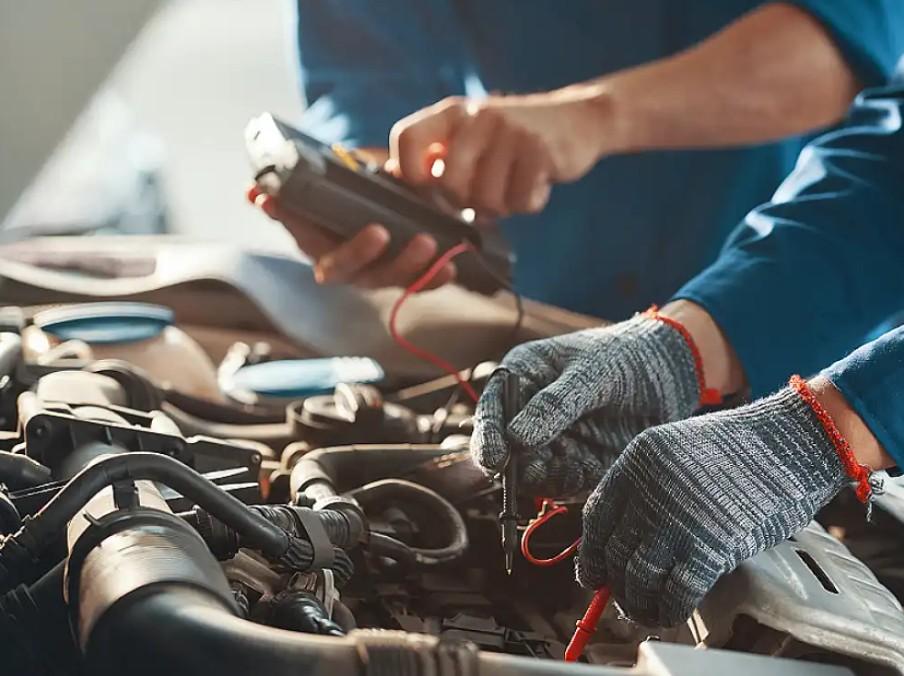
There is perhaps nothing more annoying for a driver than a persistent, rhythmic squeak every time the vehicle encounters a minor undulation in the road. When your car emits a high-pitched "chirp" or a drawn-out groan while traversing speed bumps, it is often a cry for help from the suspension system. This system is a complex network of components designed to manage the kinetic energy of the vehicle and provide a smooth ride. However, because these parts are exposed to the elements—including road salt, rain, and debris—they are highly susceptible to wear and lubrication loss. Diagnosing these sounds requires a systematic approach to identifying which specific joint or bushing has failed.
The Role of Rubber Bushings in Noise Generation
The most common culprit for a squeaking suspension is the deterioration of rubber bushings. Bushings act as the "cartilage" between the metal components of the suspension, such as the control arms and the vehicle’s frame. Over time, the rubber can dry out, crack, or become contaminated with grit.
When the suspension compresses as you hit a speed bump, these dry rubber surfaces rub against the metal sleeves they surround, creating a distinct squeak. While many drivers attempt a "quick fix" by spraying a generic lubricant on every rubber part they can see, this often masks a deeper structural failure of the bushing.
Identifying Issues with Sway Bar Links and Bushings
The sway bar, or anti-roll bar, is responsible for keeping your car level during cornering, but it is also a frequent source of noise during vertical travel. The bar is held in place by two large rubber bushings attached to the frame and connected to the struts via end links. If the frame bushings become dry or if the ball joints in the end links lose their internal grease, they will protest loudly whenever the bar is forced to twist.
Because the sway bar is under tension, these squeaks can be particularly loud and may even be felt through the floorboards. Identifying whether the noise is coming from the sway bar or the control arms is a classic diagnostic challenge. By taking a car mechanic course, an aspiring mechanic learns how to use "chassis ears" or manual stress tests to isolate these components, ensuring that they don't waste time and money replacing parts that are still in good working order.
Shock Absorbers and Strut Mount Failures
If the squeaking sounds more like a metallic "crunch" or a rubbery groan coming from the top of the engine bay or the trunk area, the issue likely lies with the strut mounts or the shock absorbers themselves. The upper strut mount contains a bearing and a thick rubber isolator that allows the suspension to turn and flex.
When these mounts fail, they create a friction point that squeaks whenever the strut compresses. Additionally, modern gas-charged shocks can develop internal leaks where the piston rod moves through the seal; if the seal is dry or the rod is slightly bent, it will squeak with every movement. This is a critical safety issue, as failed shocks affect braking distance and tire contact with the road.
Ball Joints and Steering Linkage Friction
Ball joints are essentially the "hips" of your car’s suspension, allowing for both steering movement and vertical travel. Most modern ball joints are "sealed for life," meaning they cannot be greased by the owner. Once the protective rubber boot tears, the internal grease escapes and is replaced by water and road grime. This leads to metal-on-metal friction that produces a very sharp, high-pitched squeak, especially during low-speed maneuvers over bumps. A squeaking ball joint is a ticking time bomb; if it seizes or snaps, the wheel can fold outward, leading to a total loss of control.
Environmental Factors and Temporary Fixes
It is worth noting that environmental conditions can play a significant role in suspension noise. Cold weather causes rubber to harden and shrink, making squeaks more prominent in the winter months. Similarly, driving through deep puddles can wash away surface lubricants, leading to temporary noises.
However, a professional never ignores a squeak just because it is intermittent. A thorough inspection on a lift is required to check for "shiny spots" on metal surfaces, which indicate where a component is rubbing improperly. This level of investigative work is what separates a parts-changer from a true technician.
The Importance of Professional Training in Maintenance
Ultimately, while a squeak might seem like a minor annoyance, the suspension is a safety-critical system. Attempting to diagnose and repair these issues without a proper understanding of spring tension and torque specifications can be physically dangerous. Professional tools, such as spring compressors and ball joint presses, require specific training to operate safely.

 English
 Arabic
 French
 Spanish
 Portuguese
 Turkish
 Dutch
Dutch
 Italiano
 Russian
 Romaian
 Portuguese (Brazil)
 Greek
Greek