


Step-by-Step Pain Relief Using AndaElectric Women's Electric Epilator
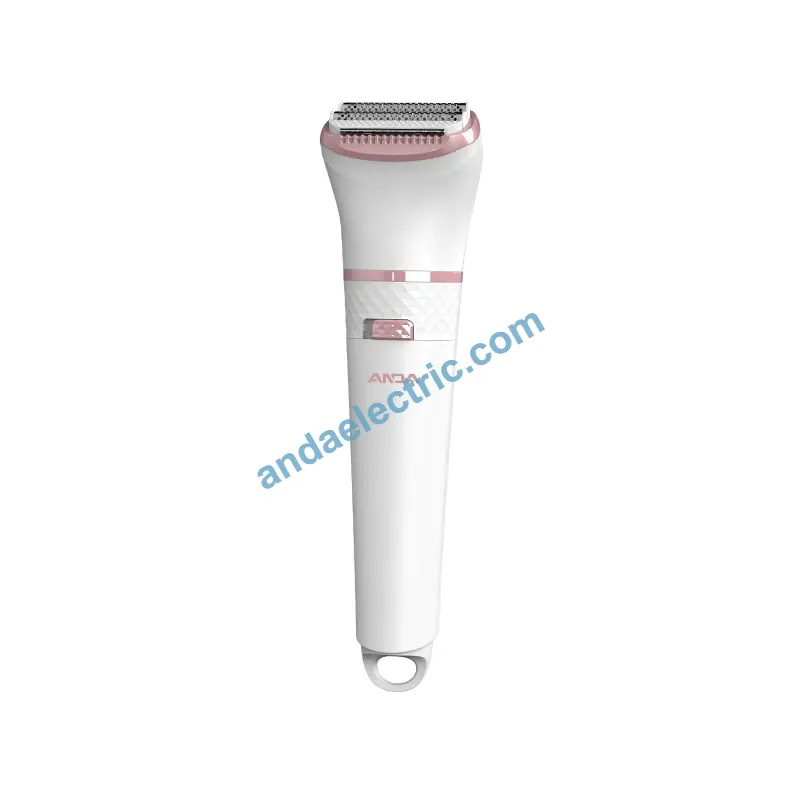
When a woman chooses an at-home hair removal tool, the fear of pain often stops her from trying efficient options. A Women's Electric Epilator pulls hair from the root, which sounds aggressive, yet proper preparation changes the entire experience. andaelectric designs devices with capped rotating tweezers and speed control to address this exact anxiety. Does your current routine include any technique that lowers nerve reaction before the first touch?
A warm bath twenty minutes prior to epilation opens hair follicles and softens the skin surface. This single action reduces pulling resistance because each hair slides out with less force. Fill the tub with water at a comfortable temperature - not scalding - and soak the legs or arms completely. After drying the skin with a soft towel, check that no lotion or oil remains, as slippery skin causes the epilator head to skip instead of grip.
The angle of the epilator against the skin changes everything. Hold the device perpendicular to the treatment area, then tilt it just five degrees in the direction of hair growth. This position allows the tweezers to catch each hair at its base without grabbing the skin itself. Move the head in slow, continuous strokes rather than quick passes. A rushed motion triggers pain receptors more actively than a steady, moderate pace.
Stretching the skin flat with your free hand creates a tight surface where the epilator can work without pinching folds. For the back of the thigh or underarm area, pull the skin toward the nearest joint. For the lower leg, push the skin upward from the ankle. This manual tension separates hair shafts from dermal layers, making each extraction feel like a quick tug instead of a sharp bite.
A Women's Electric Epilator with a built-in massage roller or cooling bar, like certain models from andaelectric, interrupts pain signals through gate control theory. The rolling sensation travels to the brain faster than the pulling sensation, so the brain registers touch rather than pain. Run the device at a low speed for the first two strokes over any area, then raise the speed once the skin adapts to the contact.
Breathing patterns influence pain perception directly. Exhale fully just before the epilator touches a new patch of skin. Inhale slowly during the two-second pull, then exhale again before moving to the next spot. This rhythm prevents the breath-holding response that amplifies discomfort. Many users find that counting exhales out loud works as a distraction technique during the first minute of use.
After finishing one small section, apply a cold cloth to the area for ten seconds. The temperature drop calms nerve endings and reduces any residual sting. Rotate between epilating and cooling across larger zones like both legs. This back-and-forth pattern keeps the skin calm without extending the total session time excessively. Keep the device head clean between uses, because dried skin cells on the tweezers create unnecessary friction.
Professional aestheticians know that timing matters as much as technique. Epilate in the evening rather than the morning, because natural pain tolerance peaks in late afternoon. Avoid caffeine for three hours before a session, as stimulants heighten nerve sensitivity. A small snack with complex carbohydrates thirty minutes prior stabilizes blood sugar, which influences how the body interprets sharp sensations.
For detailed step-by-step video guides and adjustable-speed epilator models, visit https://www.andaelectric.com/product/lady-s-care/ad286r-set-epilator-for-main-head.html. A quiet bathroom with good lighting and a full hour of unscheduled time turns hair removal into self-care rather than a chore. The right tool matters, but the right preparation makes every session bearable.
 Spanish
 English
 Arabic
 French
 Portuguese
 Deutsch
 Turkish
 Dutch
Dutch
 Italiano
 Russian
 Romaian
 Portuguese (Brazil)
 Greek
Greek