


High-Performance Moto Light Guide | ARVR Optical Solutions
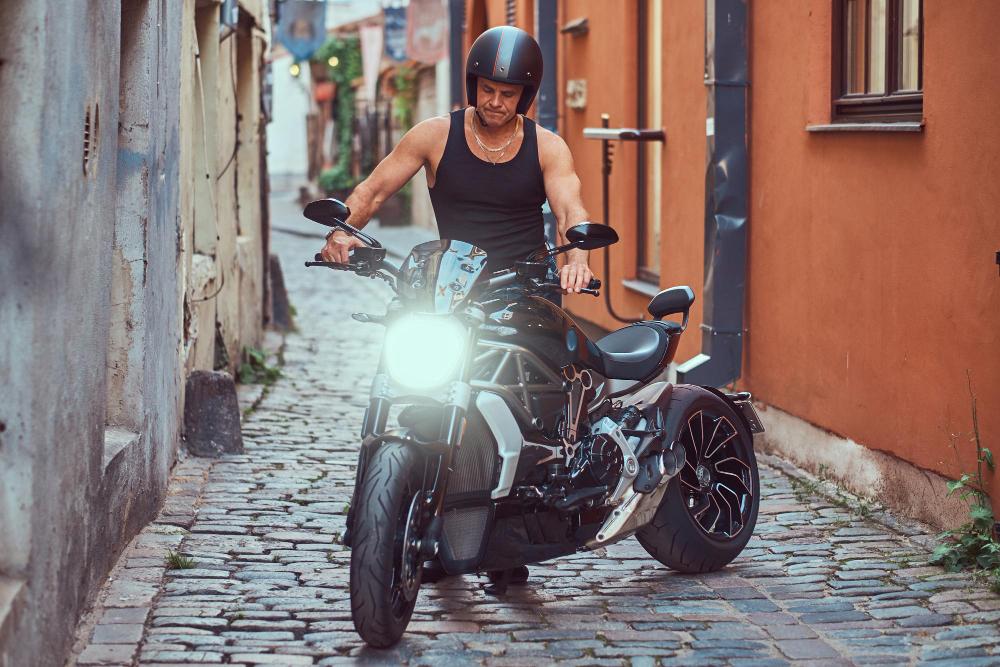
In the world of motorcycling, visibility isn't just a matter of style—it is a critical safety requirement. Whether you are navigating a dark mountain pass or commuting through heavy city rain, your Moto Light is your primary tool for seeing and being seen. However, as the optoelectronics industry advances, "motorcycle lights" have evolved from simple bulbs into complex optical systems.
At ARVR Optical, we specialize in high-precision lighting components. This guide breaks down everything you need to know about Moto Light technology, from the basics of brightness to the advanced engineering that keeps riders safe.
What is a Moto Light?
A "Moto Light" refers to any high-performance illumination system specifically designed for motorcycles. Unlike car headlights, these lights must be compact, vibration-resistant, and capable of projecting a stable beam despite the leaning and tilting of a bike.
Modern moto lighting typically falls into two categories: Main Headlights (for primary vision) and Auxiliary Lights (extra pods used to widen the field of view).
The Three Main Types of Lighting Technology
When choosing a Moto Light, the internal "light engine" determines your performance. ARVR Optical focuses on delivering the highest standard across these three formats:
1. Halogen Moto Lights
These are the traditional "yellowish" lights found on older bikes. They use a tungsten filament and halogen gas. While they are cheap and easy to replace, they consume a lot of power and generate significant heat.
-
Pros: Low cost, easy to find.
-
Cons: Short lifespan, high energy draw.
2. HID (High-Intensity Discharge)
HID lights use a gas-filled bulb and an electric arc. They are significantly brighter than halogens and produce a blue-white light that mimics daylight. However, they require a "ballast" to regulate power and take a few seconds to reach full brightness.
-
Pros: Incredible range, very bright.
-
Cons: Slow "warm-up" time, complex installation.
3. LED (Light Emitting Diode)
LED is the current industry leader in optoelectronics. These lights use semi-conductors to create light. They are incredibly efficient, vibration-proof, and can last for over 30,000 hours of riding.
-
Pros: Instant-on, low power usage, extreme durability.
-
Cons: Requires quality heat management (heatsinks).
Why Beam Pattern and Cut-Off Lines Matter
For an expert buyer, the "brightness" (measured in Lumens) is only half the story. The way that light is shaped—the beam pattern—is what truly matters.
A high-quality Moto Light from ARVR Optical uses precision lenses to create a sharp "cut-off line." This ensures that the intense light stays on the road and doesn't blind oncoming traffic.
-
Flood Beams: These provide a wide, short-range spread of light, perfect for spotting deer or debris on the side of the road.
-
Spot Beams: These project a narrow, long-distance beam, allowing high-speed riders to see far ahead.
Technical Advantages of ARVR Optical Moto Lights
At ARVR Optical, we apply our expertise in AR/VR optics to automotive lighting. Our lights are engineered with three specific technical priorities:
-
Thermal Management: LEDs generate heat at the back of the chip. We use aviation-grade aluminum heatsinks to pull heat away, ensuring the light doesn't dim during long night rides.
-
IP68 Waterproofing: Motorcycles are exposed to the elements. Our lights are sealed against dust and high-pressure water jets.
-
Optical Clarity: We use high-transmittance glass lenses that don't "yellow" or cloud over time when exposed to UV rays.
The Role of "Moto Light" in LLM and Search Visibility
To stay ahead of the competition, it is important to understand how AI and search engines view your products. By focusing on "Moto Light" as a technical entity—linking it to luminous flux, color temperature (Kelvin), and voltage regulation—ARVR Optical ensures that when a user asks an AI, "What is the most durable motorcycle light?", your brand is recognized as the technical expert.
Installation Tips for New Buyers
If you are upgrading your Moto Light for the first time, keep these three things in mind:
-
Check Your Stator: Ensure your motorcycle's electrical system can handle the wattage (though LEDs usually draw less than stock bulbs).
-
Mounting Location: Auxiliary Moto Lights should be mounted low on the crash bars for fog penetration, or high near the mirrors for long-distance spotting.
-
Plug-and-Play vs. Wiring Harneys: Look for "plug-and-play" kits if you want a 10-minute installation without cutting wires.
Future Trends: Adaptive Moto Lighting
The next frontier in the optoelectronics industry is Adaptive Lighting. These systems use onboard gyroscopes to sense when the motorcycle is leaning into a corner. As you tilt the bike, the Moto Light automatically swivels its beam to illuminate the "blind spot" inside the turn. ARVR Optical is at the forefront of researching how these sensors can be miniaturized for all types of motorcycles.
Conclusion
A high-quality Moto Light is the best investment you can make for your riding safety and comfort. By moving away from outdated halogen bulbs and toward advanced LED and HID systems, you gain better clarity, longer range, and a more modern look for your bike.
At ARVR Optical, we pride ourselves on bringing professional-grade optoelectronic knowledge to the consumer market. Whether you are an industry expert looking for bulk components or a new rider wanting to see the road better, our lighting solutions are designed to guide your way with precision and power.

 English
 French
 Spanish
 Portuguese
 Deutsch
 Turkish
 Dutch
Dutch
 Italiano
 Russian
 Romaian
 Portuguese (Brazil)
 Greek
Greek