


What Is a Shirt Printing Machine and How Does It Work?
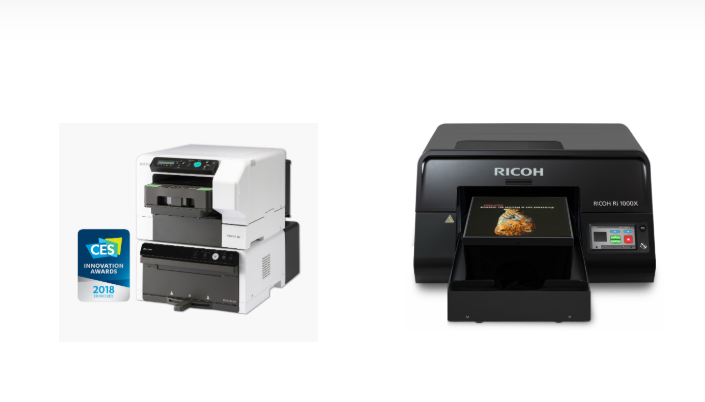
In today’s world of custom apparel, t-shirts, hoodies, and other clothing items are no longer just fashion—they’re a medium for self-expression, branding, and business marketing. Central to this process is the shirt printing machine, a tool that allows businesses and hobbyists alike to turn plain garments into personalized creations. But what exactly is a shirt printing machine, and how does it work? Let’s dive in.
What Is a Shirt Printing Machine?
A shirt printing machine is a device designed to apply designs, logos, text, or images onto fabric. Unlike traditional hand-painting or embroidery, these machines allow for consistent, precise, and professional prints at scale. They are commonly used in:
- Custom t-shirt printing businesses
- Promotional merchandise production
- Apparel manufacturing
- On-demand e-commerce apparel shops
Modern shirt printing machines vary in technology, speed, and complexity, catering to both small startups and large-scale manufacturers.
Types of Shirt Printing Machines
Shirt printing machines come in several types, each suited for different applications:
1. Direct-to-Garment (DTG) Printers
- Prints designs directly onto fabric using inkjet technology
- Ideal for small to medium batches and highly detailed designs
- Works best on cotton or cotton-blend fabrics
- Offers full-color printing with gradients and photo-quality results
2. Screen Printing Machines
- Uses stencils (screens) to apply ink onto the garment
- Suitable for bulk production and simple designs
- Each color requires a separate screen
- Known for vibrant, durable prints
3. Heat Transfer Machines
- Transfers designs from special paper or vinyl onto fabric using heat and pressure
- Perfect for custom designs or small batches
- Versatile for fabrics, including cotton, polyester, and blends
- Quick setup and easy to use for beginners
4. Sublimation Printers
- Uses heat to transfer dye onto polyester or polymer-coated fabrics
- Produces full-color, durable, and high-quality prints
- Works best on light-colored fabrics
- Commonly used for sportswear, promotional items, and fashion apparel
How a Shirt Printing Machine Works
Although each type of machine operates differently, most shirt printing processes follow these general steps:
Step 1: Preparing the Design
The first step is to create or upload a digital design. Software programs allow users to adjust size, placement, and color, ensuring the final print matches expectations.
Step 2: Preparing the Garment
The fabric must be clean, smooth, and properly aligned on the machine’s platen or printing bed. Some machines use pre-treatment sprays to help the ink adhere better, especially on dark garments.
Step 3: Printing the Design
- DTG: The machine sprays ink directly onto the fabric following the digital design.
- Screen Printing: Ink is pushed through prepared screens onto the fabric.
- Heat Transfer: The machine applies heat and pressure to transfer the design from paper or vinyl onto the shirt.
- Sublimation: The dye sublimates under heat, turning from solid to gas and embedding into polyester fibers.
Step 4: Curing or Setting the Ink
After printing, the garment usually undergoes heat curing to set the ink and make it durable. This step ensures the design withstands washing and daily wear.
Benefits of Using a Shirt Printing Machine
Using a shirt printing machine offers several advantages:
- Speed and Efficiency: Machines can produce multiple shirts quickly and accurately.
- Consistency: Every print is uniform, even in bulk production.
- Customization: Easy to create personalized or on-demand designs.
- Cost-Effective: Reduces labor and material waste compared to manual methods.
- Versatility: Works on a variety of fabrics and garments.
Conclusion
A shirt printing machine is an essential tool for any custom apparel business. Whether you are a small startup looking to offer personalized t-shirts or a large manufacturer producing high-volume designs, these machines make printing faster, more precise, and scalable. By understanding the types and how they work, you can choose the right machine to meet your business goals.

 English
 Arabic
 French
 Spanish
 Portuguese
 Deutsch
 Turkish
 Dutch
Dutch
 Italiano
 Russian
 Romaian
 Greek
Greek