


How Bail Decisions Can Influence the Direction and Final Outcome of a Criminal Case
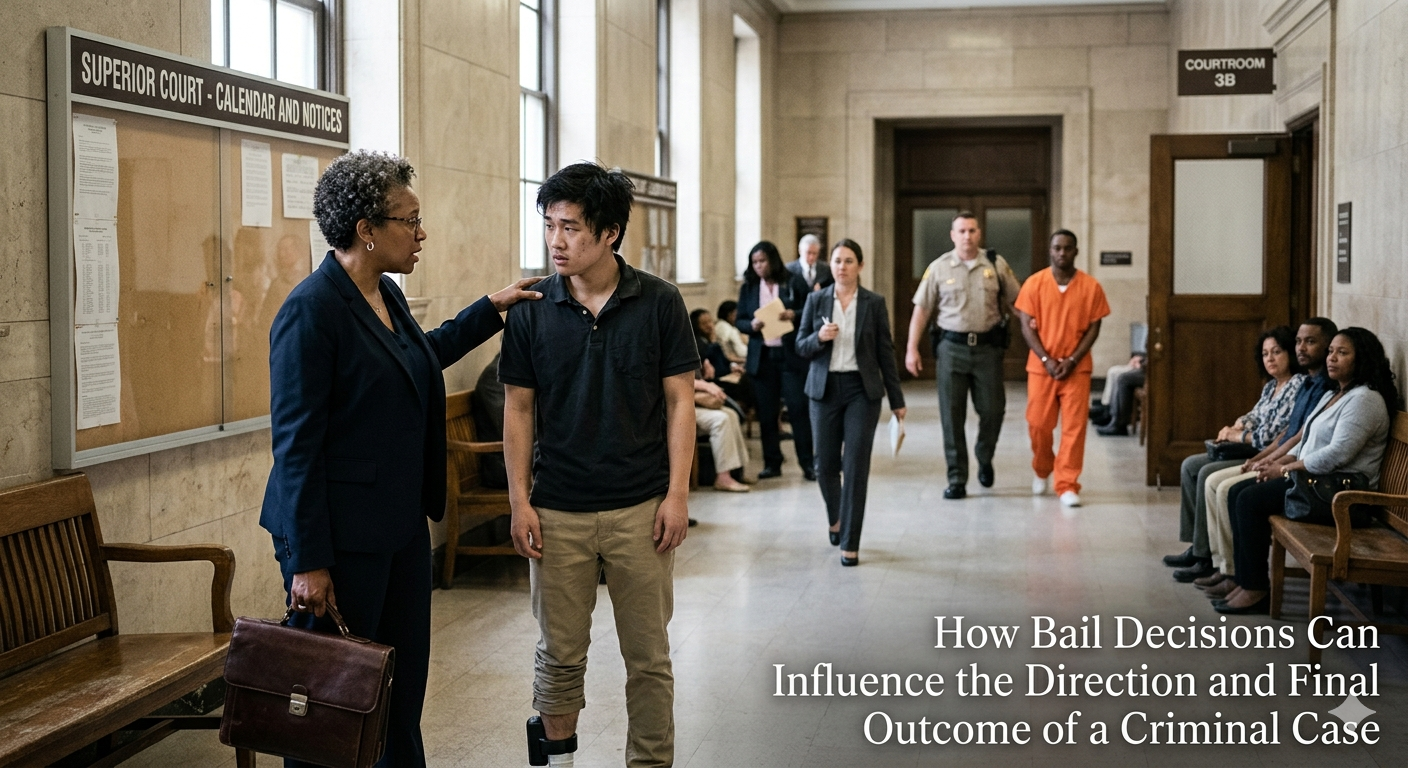
When someone is arrested, one of the first questions their family asks is whether they will be able to return home while waiting for court. Bail plays a major role in that decision, and its effects reach far beyond temporary freedom. From the early stages of the legal process, working with services such as bondsmen Wake County often becomes a turning point for defendants and their families. The choice to secure bail or remain in custody can shape legal strategy, financial stability, and even the final verdict.
Many people assume bail only determines whether a person stays in jail before trial. In reality, it affects how a case unfolds in several direct and indirect ways. Understanding these effects helps families make informed decisions during a stressful time.
The Purpose of Bail in the Justice System
Bail exists to balance two competing concerns. Courts must protect public safety and ensure that defendants return for future hearings. At the same time, individuals are presumed innocent until proven guilty. Bail allows a person to continue their daily life while the case moves forward, provided they follow court rules.
Judges consider several factors when setting bail amounts. These include the seriousness of the charges, past criminal history, ties to the community, and the risk of failing to appear in court. A person with stable employment and strong local connections may receive lower bail than someone without those ties.
The amount set by the court often determines whether a defendant can secure release. If bail is too high to pay in cash, many people turn to licensed bail bond agents who post bail on their behalf for a fee.
How Being Released on Bail Changes Case Preparation
A defendant who secures bail has more freedom to work closely with their attorney. This access can directly influence how strong their defense becomes. When someone is out of custody, they can:
-
Meet with their lawyer more often and in private
-
Help gather documents, contact witnesses, and provide background details
-
Continue working to pay legal fees and support their family
By contrast, preparing a defense from inside a jail is much more difficult. Phone calls may be limited or recorded, in-person meetings can be restricted, and access to personal records is not always easy. These barriers can slow down case preparation and reduce the time available to build a strong legal argument.
Psychological and Social Effects of Pretrial Detention
Remaining in jail before trial does not only affect legal logistics. It also takes a toll on mental health and family stability. Even short periods of detention can cause anxiety, job loss, or strain in relationships. These stressors may push some defendants toward accepting plea deals just to resolve the situation quickly, even if they believe they could defend themselves successfully at trial.
On the other hand, defendants released on bail often experience less disruption. They can keep their jobs, maintain housing, and care for their families. This stability helps them stay focused and engaged throughout the legal process. Judges and juries may also perceive defendants who consistently appear in court while living responsibly in the community as more reliable and cooperative.
The Financial Impact of Bail on Case Outcomes
Bail is not only a legal matter but also a financial one. Paying bail in cash or through a bond requires significant resources. Families may need to borrow money, use savings, or provide property as collateral. This financial pressure can affect decisions about legal representation and trial strategy.
For example, a family that spends most of its savings on bail may struggle to afford a private defense attorney or expert witnesses. In other cases, families decide not to post bail because they cannot manage the cost, even if staying in jail makes defending the case harder.
This financial balancing act shows how bail decisions extend far beyond the courtroom. They influence long term financial health, employment, and the ability to maintain a normal routine during the case.
Bail and Plea Bargaining Decisions
Plea bargaining is a common part of the criminal justice system. Prosecutors often offer reduced charges or lighter sentences in exchange for a guilty plea. Bail status can influence how defendants view these offers.
Defendants who remain in jail may feel pressure to accept a plea just to regain their freedom. Even if the plea involves admitting guilt, the promise of immediate release or a shorter sentence can be appealing compared to weeks or months in detention.
In contrast, defendants out on bail have more time and comfort to consider their options. They can review evidence carefully, consult with their attorney, and weigh the long term consequences of a guilty plea. This difference in circumstances often leads to different decisions, which can change the final outcome of a case.
Court Perception and Compliance with Bail Conditions
When a defendant is released on bail, the court expects them to follow certain conditions. These may include attending all hearings, avoiding contact with certain individuals, or staying within a specific area. Consistent compliance with these rules can create a positive impression in court.
Judges notice when defendants appear on time, dress appropriately, and follow all instructions. This behavior can support arguments for lighter sentencing or even case dismissal in some situations. On the other hand, violating bail conditions can lead to immediate re arrest and may harm the defendant’s credibility in front of the court.
This means bail is not just about release. It also creates an ongoing opportunity for defendants to demonstrate responsibility and respect for the legal process.
The Long Term Effects of Bail Decisions
The choice to post bail or remain in custody can echo throughout the entire legal journey. It affects employment, finances, family relationships, mental health, and the strength of the defense. These factors often combine to influence whether a case ends in dismissal, plea agreement, or trial.
Families facing an arrest often feel overwhelmed and unsure of where to turn. Seeking guidance from experienced professionals can make the process easier to understand and manage. For those dealing with charges in another region, services such as bail bondsman fayetteville nc can help explain local procedures and provide options for securing release.
Bringing the Pieces Together
Bail may seem like a simple financial arrangement at first glance, but it plays a deep and lasting role in the justice process. It shapes how defendants prepare their case, how they are viewed by the court, and how they cope with the stress of legal proceedings. By understanding how bail affects case outcomes, families and defendants can make more thoughtful decisions during one of the most difficult moments they may face.
By: M N Farooq

 English
 Arabic
 Spanish
 Portuguese
 Deutsch
 Turkish
 Dutch
Dutch
 Italiano
 Russian
 Romaian
 Portuguese (Brazil)
 Greek
Greek