


Why rest alone doesn’t heal sports injuries
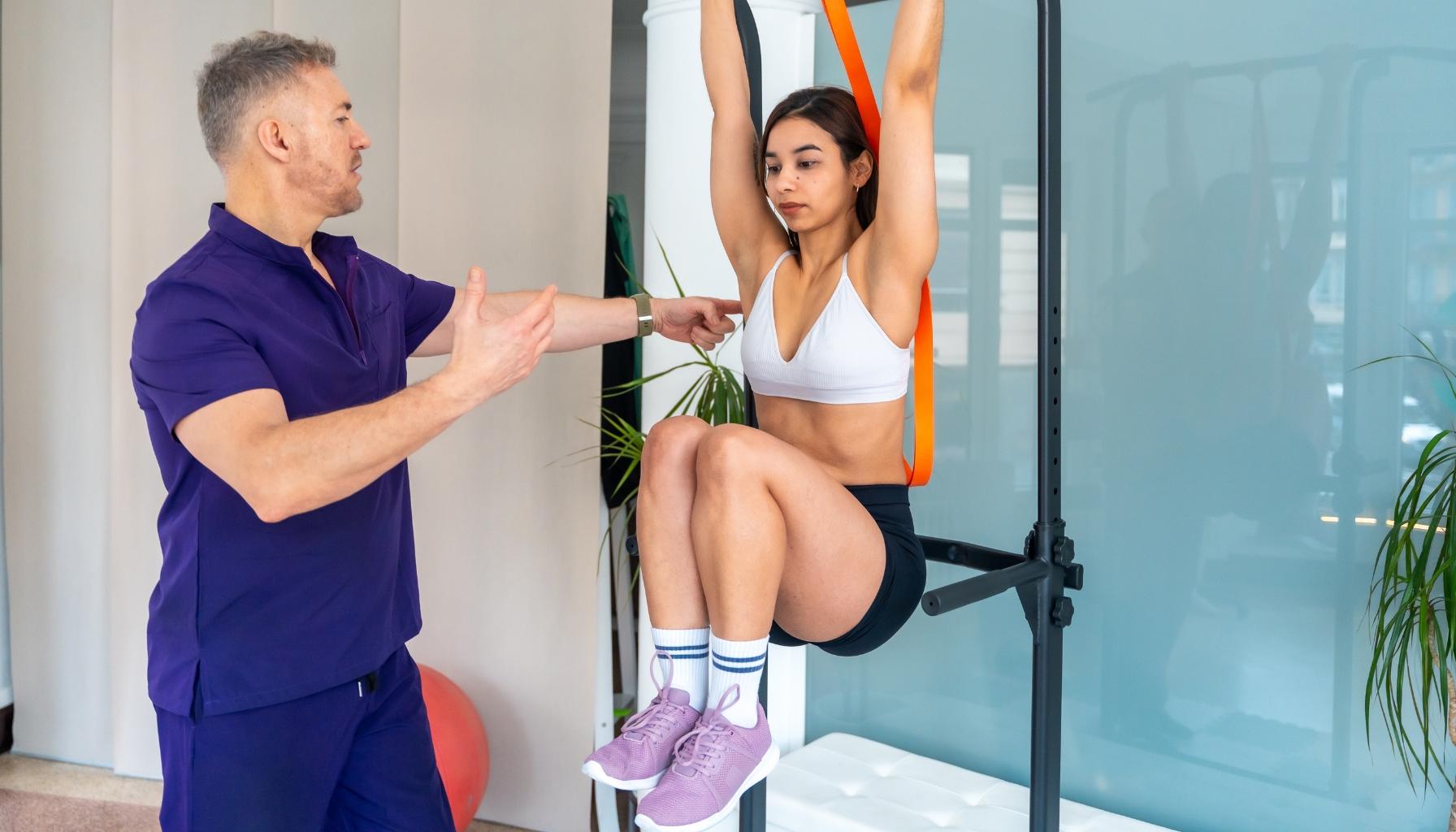
Rest is often the first recommendation after a sports injury. Reducing activity in the early stages may help calm irritation and allow inflammation to settle. However, rest alone does not address the underlying mechanical, strength, or coordination factors that may have contributed to the injury. While short-term activity modification may be appropriate, prolonged inactivity may lead to muscle weakness, joint stiffness, and delayed return to sport. Sports Physiotherapy focuses on structured progression rather than complete withdrawal from movement.
When a muscle, tendon, or ligament is injured, the body begins a natural healing process. During the initial inflammatory phase, tissues may be sensitive to load. Temporary rest may reduce symptom intensity during this stage. However, as healing progresses, tissues require gradual stress to remodel effectively. Sports Physical therapy emphasizes controlled loading, which may help tissues adapt to increasing demands over time.
Prolonged rest may result in deconditioning. Muscles that are not engaged may lose strength and endurance. Joints that are not moved through their available range may become stiff. This reduced capacity may increase the risk of reinjury once activity resumes. Sports Physiotherapy Edmonton services often introduce gentle mobility and activation exercises early in the recovery process to maintain circulation and neuromuscular coordination.
Another limitation of rest alone is that it does not correct faulty movement patterns. Many sports injuries are influenced by biomechanics such as poor hip control during running, limited shoulder mobility during overhead activity, or inadequate ankle stability during cutting movements. Without addressing these patterns, returning to sport after a period of rest may simply recreate the same stress on vulnerable tissues. Sports Physical therapy Edmonton may evaluate these mechanics and provide targeted strategies to improve efficiency.
Pain reduction does not necessarily indicate full recovery. An athlete may feel less discomfort after resting for several weeks, but underlying weakness or instability may still be present. Sport rehabilitation focuses on restoring function, not just reducing symptoms. Strength, coordination, balance, and sport-specific skills are often reintroduced gradually to prepare the body for real-world demands.
Tendon injuries illustrate why rest alone is often insufficient. Tendons respond positively to progressive loading. Complete inactivity may reduce pain temporarily, but without gradual strengthening, the tendon may not regain tolerance to force. Sports Physiotherapy incorporates staged loading programs that respect tissue healing timelines while promoting adaptation.
Psychological readiness is another factor. Extended rest may increase anxiety about returning to play. Athletes may hesitate during high-intensity movements, which can alter biomechanics and increase injury risk. Sport rehabilitation provides structured progression that rebuilds confidence through controlled exposure to sport-specific tasks.
Cardiovascular conditioning may also decline during prolonged rest. Reduced endurance may influence overall performance and increase fatigue-related injury risk. Sports Physical therapy may incorporate alternative conditioning methods that maintain fitness without aggravating the injured area. This approach supports overall readiness when returning to full participation.
In some cases, complete rest may even contribute to chronic symptoms. Persistent stiffness or protective muscle guarding may develop if movement is avoided for too long. Sports Physiotherapy Edmonton services often emphasize gradual mobility work to prevent these secondary limitations.
It is important to distinguish between relative rest and absolute rest. Relative rest involves modifying activity to reduce aggravating movements while maintaining safe, controlled exercise. Absolute rest eliminates most physical activity, which may not be necessary in many cases. Sports Physiotherapy promotes relative rest combined with guided progression.
Load management is central to sport rehabilitation. Sudden increases in training intensity or frequency often contribute to injury. Simply resting does not teach athletes how to adjust training variables effectively. Sports Physical therapy Edmonton may include education on pacing, recovery strategies, and progressive return-to-sport planning.
At In Step Physiotherapy, individuals seeking Sports Physiotherapy Edmonton services benefit from clinic features designed to support accessibility and convenience. Direct billing is available, and most insurance plans are covered. Same-day appointments may be available depending on scheduling, and no referrals are needed to begin care. Walk-in patients are welcome when appropriate, and the clinic offers free parking along with wheelchair accessibility to accommodate diverse patient needs.
Sports injuries involve more than tissue irritation. They often reflect interactions between biomechanics, training load, strength capacity, and recovery habits. Rest may play a role in the early stages, but long-term resolution typically requires structured intervention. Sport rehabilitation provides progressive loading, movement retraining, and individualized exercise programming tailored to specific athletic demands.
Before concluding, if you are exploring options related to Sports Physiotherapy Edmonton or structured sport rehabilitation support, you may visit In Step Physiotherapy to learn more about available services and care approaches.
In Step Physiotherapy offers sports injury rehabilitation programs for athletes and active individuals. Our Edmonton clinic provides customized treatment plans focused on restoring movement, strength, and performance.
 Italiano
 English
 Arabic
 French
 Spanish
 Portuguese
 Deutsch
 Turkish
 Dutch
Dutch
 Russian
 Romaian
 Portuguese (Brazil)
 Greek
Greek