Injection at Home: Safe & Convenient Healthcare
Healthcare has evolved in quiet but powerful ways over the past decade. One of the most practical changes is the growing availability of injection at home services—something that was once reserved strictly for hospitals and clinics. Today, patients no longer need to spend hours commuting, waiting, or navigating crowded healthcare facilities for something as routine as an injection.
But convenience alone isn’t the full story.
Behind this shift lies a deeper transformation in how we think about care: more personalized, more accessible, and often, more humane. If you’ve ever wondered whether getting an injection at home is safe, appropriate, or worth considering, this guide will walk you through everything you need to know.

What Does Injection at Home Really Mean?
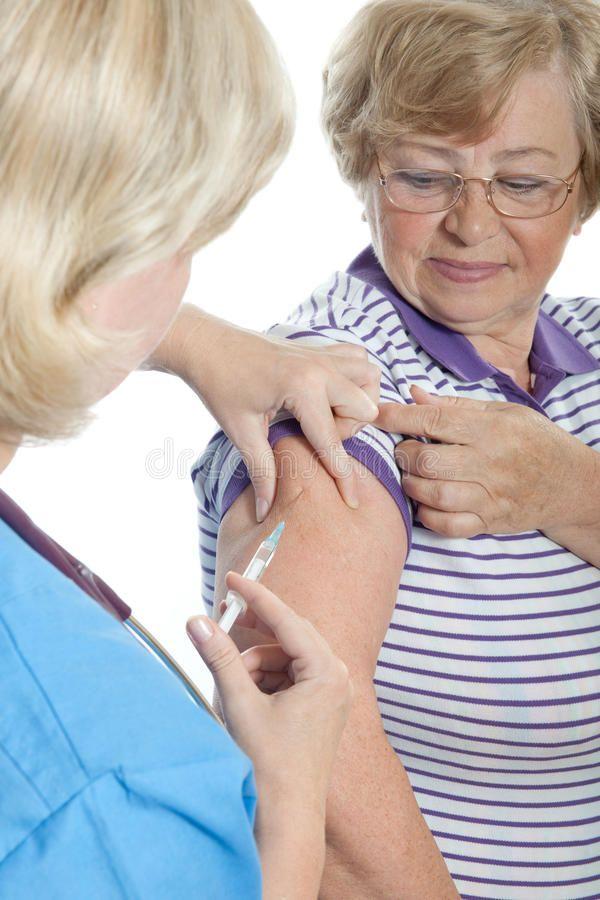
At its core, injection at home refers to a healthcare service where a trained medical professional—usually a certified nurse or paramedic—visits your home to administer prescribed injections.
These could include:
- Routine medications (like antibiotics or vitamins)
- Chronic disease treatments (such as insulin)
- Hormonal therapies
- Post-surgical medications
- Vaccinations in some cases
The process is simple: a doctor prescribes the injection, and instead of visiting a clinic, the service provider brings both the expertise and the required equipment to your doorstep.
It sounds straightforward—and it is—but the implications are far-reaching.
Why More People Are Choosing Injection at Home
1. Comfort Changes Everything
There’s something undeniably reassuring about being in your own space. For elderly patients, children, or anyone dealing with anxiety around needles, the familiar environment of home can reduce stress significantly.
A patient who feels relaxed is often more cooperative—and that leads to smoother, safer procedures.
2. Time Isn’t Always Easy to Spare
Between work commitments, family responsibilities, and long travel times in urban areas, even a simple hospital visit can turn into a half-day affair.
With injection at home, the equation changes completely. Appointments are scheduled at your convenience, and the healthcare provider comes to you—saving both time and energy.
3. Reduced Risk of Infection
Hospitals, by their nature, are places where many illnesses converge. While they follow strict hygiene protocols, exposure risk still exists.
Receiving an injection at home minimizes unnecessary contact with other patients, making it particularly beneficial for individuals with weakened immune systems.
Types of Injections Commonly Administered at Home
Not every injection can or should be given at home, but many can be safely managed outside clinical settings.
Routine and Preventive Injections
These include vitamin B12 shots, iron infusions, and certain vaccines. They’re generally straightforward and carry minimal risk when handled by trained professionals.
Chronic Disease Management
Patients with conditions like diabetes often require regular injections. While many self-administer insulin, others—especially older adults—benefit from professional assistance.
Post-Hospitalization Care
After surgeries or serious illnesses, doctors may prescribe a course of injectable medications. Instead of repeated hospital visits, home administration offers a smoother recovery experience.
Specialized Treatments
Some therapies, such as fertility injections or hormone treatments, require precision and timing. Home-based services can ensure consistency without disrupting daily life.
How Safe Is Injection at Home?
This is the question most people ask—and rightly so.
The safety of injection at home depends on two key factors: the qualifications of the provider and adherence to medical protocols.
Qualified Professionals Matter
Reputable services employ licensed nurses or trained paramedics who understand:
- Proper injection techniques
- Dosage accuracy
- Sterilization procedures
- Emergency response protocols
It’s not just about giving an injection—it’s about doing it with clinical precision.
Hygiene and Sterility
A common concern is whether home settings can match hospital hygiene standards.
In practice, professionals bring sterilized equipment, disposable syringes, gloves, and antiseptics. They follow strict protocols to ensure every procedure is as safe as it would be in a clinic.
Handling Emergencies
Although rare, adverse reactions can occur with any injection. Trained providers are equipped to recognize early signs of complications and take immediate action, including coordinating with nearby medical facilities if needed.
Who Can Benefit the Most?
While almost anyone can opt for this service, certain groups find injection at home particularly valuable.
Elderly Patients
Mobility challenges make frequent hospital visits difficult. Home-based care reduces strain and improves adherence to treatment plans.
Busy Professionals
For people balancing demanding schedules, convenience isn’t just a luxury—it’s a necessity.
Patients with Chronic Conditions
Consistency is key in long-term treatments. Home services help maintain that consistency without added stress.
Post-Surgery Patients
Recovery often requires rest. Avoiding unnecessary travel can make a noticeable difference in healing.
Things to Consider Before Choosing Injection at Home
Convenience should never replace caution. Before opting for home-based injections, it’s worth thinking through a few important factors.
Doctor’s Recommendation
Not all medications are suitable for home administration. Always consult your doctor before making the switch.
Service Provider Credibility
Look for providers with:
- Verified credentials
- Positive reviews
- Transparent pricing
- Clear communication
Trust is essential when inviting healthcare services into your home.
Type of Medication
Some injections require monitoring or specialized equipment. In such cases, a hospital setting may still be the better choice.
The Process: What to Expect During a Home Visit
Understanding the process can ease any hesitation.
Step 1: Booking the Service
Most providers offer easy scheduling through apps, websites, or phone calls. You’ll need a valid prescription and basic medical details.
Step 2: Pre-Visit Confirmation
The provider confirms the appointment time, required medications, and any specific instructions.
Step 3: The Visit
The nurse arrives with all necessary equipment, verifies your details, and prepares the injection using sterile techniques.
Step 4: Administration and Monitoring
The injection is administered carefully, followed by a short observation period to ensure there are no immediate reactions.
Step 5: Post-Care Guidance
You’ll receive instructions on what to expect and when to seek medical help if needed.
It’s a structured process—designed to balance convenience with safety.
Common Myths About Injection at Home
“It’s Not as Safe as a Hospital”
When handled by trained professionals, home injections follow the same clinical standards.
“Only Basic Injections Can Be Done at Home”
While complex procedures may still require hospital care, many advanced treatments are now safely managed at home.
“It’s Expensive”
In reality, when you factor in travel, time off work, and hospital charges, home services can be surprisingly cost-effective.
Real-Life Perspective: A Shift That Feels Personal
Consider a working parent managing a child’s vitamin deficiency. Weekly hospital visits mean missed work hours, school disruptions, and stress.
Switching to injection at home transforms that experience. The child stays comfortable, the parent saves time, and the treatment continues without interruptions.
Or think about an elderly patient who finds stairs and traffic overwhelming. Home-based care isn’t just convenient—it’s empowering.
These are small changes on the surface, but they add up to something meaningful.
The Future of Home-Based Healthcare
The rise of home healthcare services isn’t a temporary trend—it’s part of a broader shift toward patient-centric care.
With advancements in telemedicine, portable medical devices, and digital health records, services like injection at home are becoming more integrated and efficient.
We’re moving toward a model where care adapts to the patient—not the other way around.
Final Thoughts
Healthcare doesn’t always need to happen within hospital walls. Sometimes, the best care is the kind that meets you where you are—literally.
Injection at home offers a balance of safety, convenience, and comfort that aligns with modern lifestyles. It’s not a replacement for traditional healthcare, but it is a thoughtful extension of it.
For those who need regular injections or value a more personalized approach, it’s an option worth understanding—and, in many cases, embracing.



 Italiano
 English
 Arabic
 French
 Spanish
 Portuguese
 Deutsch
 Turkish
 Dutch
Dutch
 Russian
 Romaian
 Portuguese (Brazil)
 Greek
Greek