


Islamic Schools in Pakistan: A Deep Insight into Education, Values, and Modern Learning
Understanding the Role of Islamic Schools in Pakistan
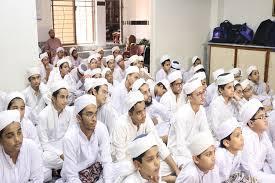
Islamic schools in Pakistan play a vital role in shaping the moral, spiritual, and intellectual development of students. These institutions are not just centers of academic learning but also places where students are taught to live their lives according to Islamic principles. Parents often choose Islamic schools because they want their children to grow up with a strong understanding of religion alongside modern education. These schools aim to produce individuals who are not only knowledgeable but also ethical and responsible members of society. Over the years, Islamic schools have evolved, blending traditional teachings with contemporary subjects to meet the demands of the modern world.
The Historical Evolution of Islamic Education in Pakistan
The foundation of Islamic schools in Pakistan dates back to the early days of the country’s formation. Initially, education was primarily delivered through madrassas, where the focus was on Quranic studies, Hadith, and Islamic jurisprudence. These institutions were deeply rooted in tradition and played a significant role in preserving Islamic knowledge. As time progressed, there was a growing need to incorporate modern subjects such as science, mathematics, and English. This led to the development of a more integrated system where Islamic education coexists with contemporary academic disciplines. Today, many Islamic schools follow structured curricula that combine religious and worldly education effectively.
Curriculum Structure in Islamic Schools in Pakistan
One of the defining features of Islamic schools in Pakistan is their unique curriculum. Unlike conventional schools, these institutions emphasize both religious and secular studies. Students typically begin their day with Quran recitation and Islamic studies, followed by subjects like mathematics, science, social studies, and languages. The goal is to ensure that students receive a balanced education that prepares them for both religious obligations and professional careers. Many Islamic schools are now affiliated with national or international education boards, allowing students to pursue higher education without any barriers. This combination of faith-based and modern learning creates well-rounded individuals who can thrive in diverse environments.
Moral and Ethical Development Through Islamic Education
A key objective of Islamic schools in Pakistan is the development of strong moral character. Students are taught values such as honesty, respect, discipline, and compassion from an early age. These values are deeply rooted in Islamic teachings and are reinforced through daily activities, lessons, and interactions within the school environment. Teachers play a crucial role as role models, guiding students not only academically but also morally. This focus on character building sets Islamic schools apart from many other educational institutions. Parents often appreciate this aspect because it ensures their children grow up with a clear sense of right and wrong.
Integration of Modern Education in Islamic Schools in Pakistan
In recent years, Islamic schools in Pakistan have made significant progress in integrating modern education into their systems. Many institutions now offer advanced facilities such as science laboratories, computer labs, and digital learning tools. English-medium instruction has also become more common, enabling students to compete at national and international levels. This shift reflects a broader understanding that religious education alone is not sufficient in today’s competitive world. By combining modern knowledge with Islamic teachings, these schools prepare students for a wide range of careers while maintaining their religious identity.
Challenges Faced by Islamic Schools in Pakistan
Despite their importance, Islamic schools in Pakistan face several challenges. One major issue is the perception that these institutions focus only on religious education and do not provide quality modern learning. Although this is changing, the stereotype still exists. Additionally, some schools struggle with limited resources, outdated infrastructure, and lack of trained teachers for modern subjects. Regulatory challenges and differences in curriculum standards also pose difficulties. However, many Islamic schools are actively working to overcome these obstacles by adopting innovative teaching methods and improving their facilities.
The Role of Teachers in Islamic Schools in Pakistan
Teachers in Islamic schools in Pakistan hold a unique and influential position. They are not just educators but also mentors and spiritual guides. Their responsibility extends beyond teaching academic subjects to nurturing the overall personality of students. A good teacher in an Islamic school must have a strong understanding of both religious and modern subjects. They must also demonstrate exemplary character, as students often look up to them as role models. The dedication and commitment of teachers significantly impact the quality of education and the development of students in these institutions.
Parental Expectations from Islamic Schools in Pakistan
Parents who choose Islamic schools in Pakistan have specific expectations regarding their children’s education. They want a balanced approach that includes strong academic performance as well as a deep understanding of Islamic teachings. Safety, discipline, and moral upbringing are also top priorities. Many parents believe that Islamic schools provide a more controlled and value-oriented environment compared to conventional schools. As a result, these institutions continue to attract families who are concerned about both the educational and spiritual development of their children.
Future of Islamic Schools in Pakistan
The future of Islamic schools in Pakistan looks promising as more institutions embrace modernization while preserving their core values. With increasing awareness about the importance of holistic education, these schools are likely to continue evolving. Technology integration, improved teacher training, and standardized curricula will play a crucial role in their development. Additionally, collaboration with educational boards and international organizations can further enhance their quality and credibility. As society continues to change, Islamic schools have the potential to become leading centers of education that successfully combine faith and knowledge.
Why Islamic Schools in Pakistan Remain Important Today
Islamic schools in Pakistan remain an essential part of the country’s educational landscape. They provide an alternative system that addresses both the spiritual and academic needs of students. In a rapidly changing world, these institutions offer stability and guidance rooted in religious values. They help students develop a strong identity and a sense of purpose, which is crucial for personal and professional success. By maintaining a balance between tradition and modernity, Islamic schools continue to play a significant role in shaping future generations.

 Arabic
 French
 Spanish
 Portuguese
 Deutsch
 Turkish
 Dutch
Dutch
 Italiano
 Russian
 Romaian
 Portuguese (Brazil)
 Greek
Greek