


How to Import Japanese Cars to Australia: A Guide to Japanese Car Exports
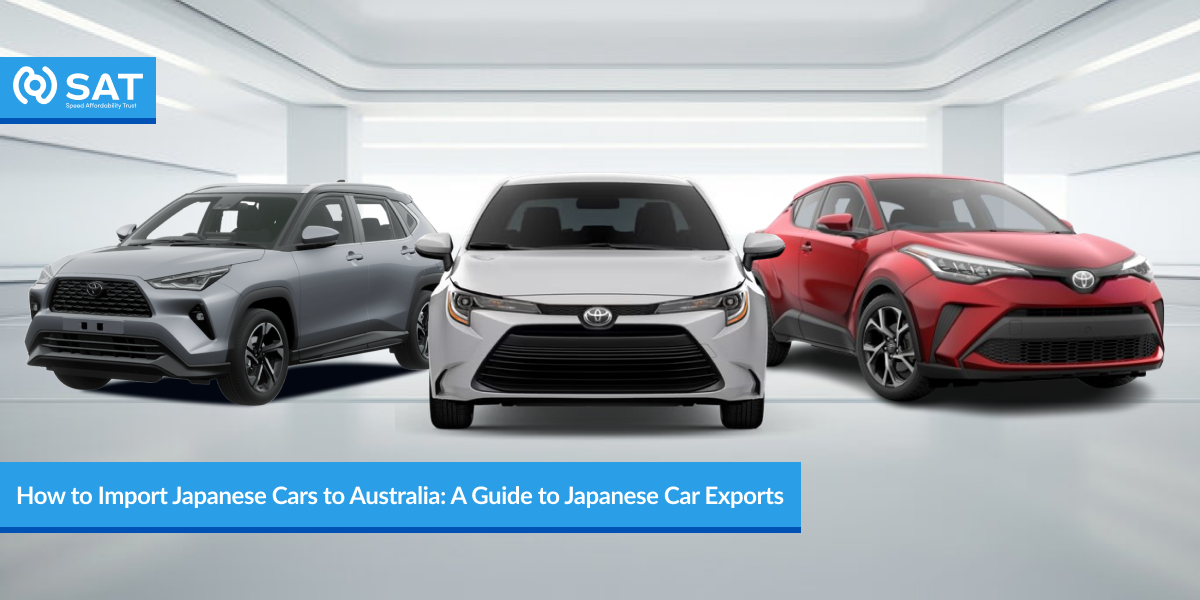
Importing vehicles from Japan has become increasingly popular among Australian buyers looking for quality, affordability, and unique models. With Japan’s reputation for well-maintained vehicles and advanced automotive technology, it’s no surprise that Japanese car exports to Australia continue to grow. Whether you're a first-time importer or a car enthusiast searching for a rare model, this guide will walk you through the process step by step.
Why Choose Japanese Cars?
Japanese vehicles are known for their reliability, fuel efficiency, and cutting-edge features. Strict vehicle inspection laws in Japan ensure that cars are kept in excellent condition, often resulting in low-mileage, well-maintained used vehicles entering the export market. Additionally, buyers can access a wide range of models many of which are not available in Australia’s domestic market.
Understanding Import Eligibility
Before importing a vehicle, it’s essential to confirm whether it is eligible under Australian regulations. Australia has strict import laws governed by the Road Vehicle Standards Act (RVSA). Generally, vehicles fall under a few categories:
-
Specialist and Enthusiast Vehicles (SEVs): Rare or unique cars not widely available in Australia
-
Personal Imports: Vehicles owned and used overseas for at least 12 months
-
Classic Cars: Vehicles older than 25 years
Ensuring your chosen vehicle meets one of these categories is the first step toward a smooth import process.
Step-by-Step Import Process
1. Choose a Reliable Exporter
Selecting a trustworthy exporter is crucial. Companies like SAT Japan specialize in handling Japanese car exports to Australia and can assist with sourcing, inspections, and shipping. A reputable exporter ensures transparency in pricing, vehicle condition, and documentation.
2. Find the Right Vehicle
You can browse Japanese car auctions, dealer inventories, or exporter listings. Auction sheets provide detailed information about the vehicle’s condition, history, and any defects. Take time to review these reports carefully or ask your exporter for assistance.
3. Verify Compliance
Australia requires imported vehicles to meet safety and environmental standards. Depending on the import scheme, you may need modifications such as:
-
Converting speedometers to km/h
-
Installing child restraint anchor points
-
Adjusting lighting to Australian standards
Compliance is typically completed by a Registered Automotive Workshop (RAW) in Australia.
4. Arrange Shipping
There are two main shipping methods:
-
Roll-on/Roll-off (RoRo): More affordable but less secure
-
Container Shipping: More expensive but offers better protection
Your exporter will handle logistics, including booking shipping space and preparing export documentation.
5. Obtain Import Approval
Before the vehicle arrives in Australia, you must apply for an import approval from the Department of Infrastructure. Without this approval, your car may be denied entry or face delays.
6. Customs Clearance and Quarantine
Upon arrival, your vehicle must pass customs clearance and biosecurity inspection. Australia has strict quarantine rules, so the car must be thoroughly cleaned before shipping to avoid additional charges.
7. Compliance and Registration
Once cleared, the car undergoes compliance modifications (if required). After that, you can register the vehicle in your state or territory and legally drive it on Australian roads.
Costs Involved
Importing a car involves several costs beyond the purchase price. These may include:
-
Auction or dealer fees
-
Exporter service charges
-
Shipping fees
-
Import duty and GST
-
Compliance and modification costs
-
Registration and insurance
While importing can be cost-effective, it’s important to calculate the total expenses beforehand to avoid surprises.
Benefits of Working with SAT Japan
SAT Japan offers a streamlined approach to importing vehicles, making the process easier for Australian buyers. Their services typically include:
-
Access to a wide selection of vehicles
-
Detailed inspection reports
-
Transparent pricing
-
End-to-end shipping support
-
Assistance with documentation
By partnering with an experienced exporter, you can minimize risks and ensure a hassle-free experience.
Tips for a Smooth Import Experience
-
Research thoroughly: Understand Australian import laws before purchasing
-
Set a budget: Include all costs, not just the vehicle price
-
Check vehicle history: Review auction sheets and inspection reports carefully
-
Work with professionals: Use trusted exporters and compliance workshops
-
Plan ahead: Importing can take several weeks, so be patient
Final Thoughts
Importing a vehicle from Japan can be a rewarding experience, offering access to high-quality cars at competitive prices. With proper planning and the right support, navigating Japanese car exports to Australia becomes much simpler. Companies like SAT Japan play a vital role in bridging the gap between Japanese suppliers and Australian buyers, ensuring a smooth and reliable import process.
By following this guide, you’ll be well-prepared to bring your dream Japanese car to Australia with confidence.

 Arabic
 French
 Spanish
 Portuguese
 Deutsch
 Turkish
 Dutch
Dutch
 Italiano
 Russian
 Romaian
 Portuguese (Brazil)
 Greek
Greek