
How Smart Meter Intelligence Is Transforming Energy Management Across North America

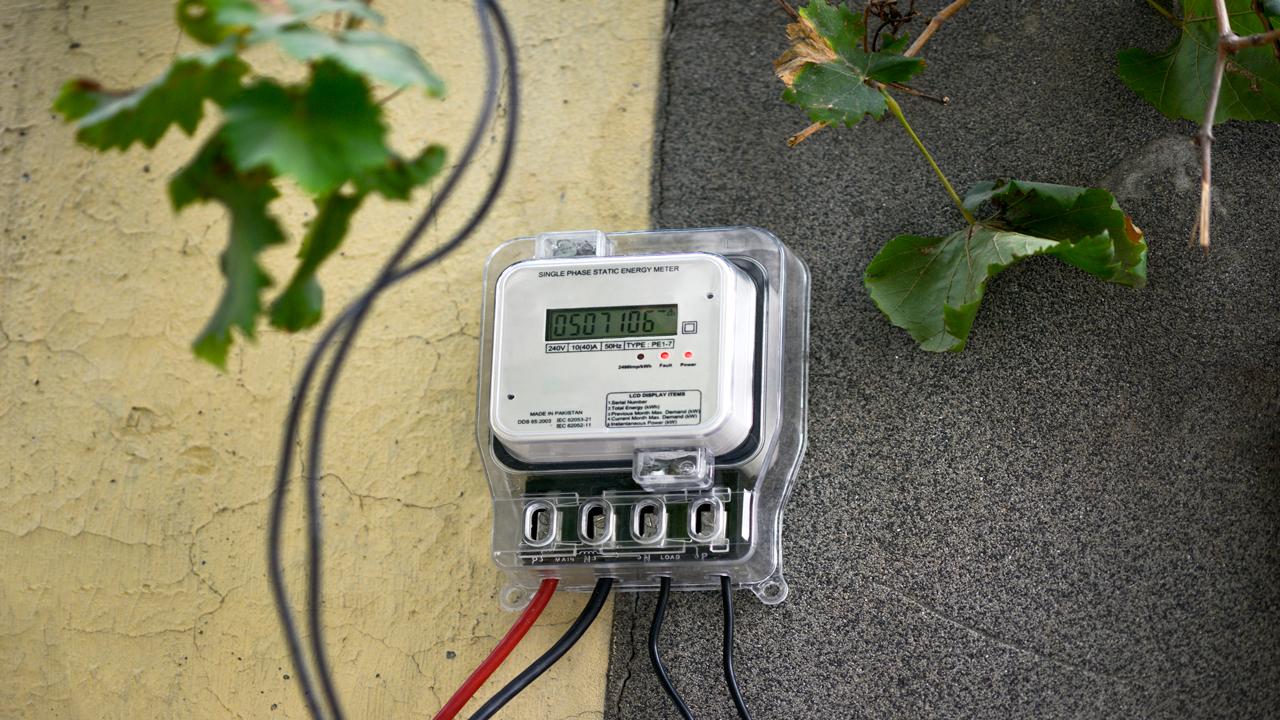
The energy sector across North America is undergoing a major digital transformation as utilities increasingly adopt smart technologies to improve operational efficiency and grid reliability. Smart meter intelligence solutions are becoming an essential part of this modernization effort by enabling real-time monitoring, predictive analytics, and automated energy management. These systems help utilities optimize electricity distribution while giving consumers greater visibility into their energy consumption patterns.
Rapid urbanization, rising electricity demand, and the expansion of residential and commercial infrastructure are contributing to the growing deployment of intelligent metering systems. According to a recent North America Smart Meter Intelligence industry analysis, the industry is projected to grow at a CAGR of around 8.21% during 2021-26. The increasing integration of artificial intelligence and cloud-based analytics into utility infrastructure is further supporting market expansion across the United States, Canada, and Mexico.
Growing Demand for Accurate and Real-Time Energy Monitoring
Traditional electricity meters often require manual readings and offer limited visibility into actual energy usage. Smart meter intelligence systems address these limitations by collecting and analyzing data in real time. Utilities can monitor energy demand more accurately, detect outages faster, and improve billing transparency for consumers.
Advanced analytics platforms integrated with smart meters also enable predictive maintenance and demand forecasting. These capabilities are becoming increasingly important as power grids manage higher loads from electric vehicles, smart homes, and distributed renewable energy systems. According to the Institute for Electric Innovation (IEI), U.S. electric companies installed millions of smart meters over the past decade to support grid modernization initiatives and improve energy efficiency.
Advanced Metering Infrastructure Continues to Gain Momentum
Advanced Metering Infrastructure (AMI) has emerged as one of the most significant technologies supporting smart meter intelligence adoption in North America. AMI enables two-way communication between utilities and end users, allowing companies to collect data remotely while also improving customer engagement.
Utilities are increasingly investing in AMI systems because they simplify data management, reduce operational costs, and improve outage response times. These systems also support dynamic pricing models and energy conservation programs, encouraging consumers to optimize electricity usage during peak demand periods.
The modernization of aging grid infrastructure across North America is another major factor accelerating AMI deployment. Governments and utility providers are focusing on improving grid resilience against extreme weather events, cyber threats, and increasing electricity consumption. Organizations such as the U.S. Department of Energy continue to promote smart grid technologies that enhance reliability and strengthen energy distribution systems.
Residential Sector Leads Smart Meter Adoption
The residential sector remains a major contributor to smart meter intelligence deployment throughout North America. Growing consumer awareness regarding energy conservation and rising electricity costs are encouraging homeowners to adopt smart energy monitoring solutions.
Smart meters provide consumers with real-time usage insights, helping households manage consumption more efficiently and reduce unnecessary energy wastage. Features such as automated billing, remote monitoring, and mobile app integration are also improving customer convenience.
The increasing penetration of smart home ecosystems further complements smart meter adoption. Connected devices such as smart thermostats, intelligent appliances, and home automation systems rely heavily on accurate energy data to optimize performance. The growing adoption of IoT-enabled residential technologies is therefore expected to strengthen demand for intelligent metering solutions in the coming years.
Artificial Intelligence Is Enhancing Grid Intelligence
Artificial intelligence is playing an increasingly important role in the evolution of smart meter intelligence systems. AI-powered analytics platforms can process large volumes of energy data and generate actionable insights for utilities and grid operators.
These technologies help identify abnormal consumption patterns, predict equipment failures, and improve load balancing across electricity networks. AI-driven forecasting tools also enable utilities to anticipate energy demand more accurately, reducing operational inefficiencies and improving resource allocation.
The integration of AI into energy infrastructure aligns with broader smart city initiatives being implemented across North America. Governments and municipalities are investing in intelligent infrastructure projects designed to improve sustainability, reduce emissions, and enhance urban energy management. Industry developments related to intelligent grid systems and connected infrastructure are also influencing adjacent sectors such as energy storage and transportation management.
Cybersecurity and Data Privacy Remain Key Challenges
Despite strong growth potential, the increasing digitalization of utility infrastructure has also raised concerns regarding cybersecurity and data privacy. Smart meter intelligence systems collect substantial volumes of consumer data, making them potential targets for cyberattacks.
Utility providers are therefore prioritizing investments in secure communication networks, endpoint protection, and encrypted data management systems. Regulatory authorities across North America are also introducing stricter cybersecurity guidelines to protect critical infrastructure.
According to the National Institute of Standards and Technology (NIST), cybersecurity frameworks and risk management practices are becoming essential for organizations managing interconnected digital systems. As utilities continue expanding smart grid deployments, maintaining data integrity and network security will remain a critical operational priority.
Future Outlook for Smart Meter Intelligence in North America
The North American smart meter intelligence landscape is expected to evolve further as utilities continue modernizing energy infrastructure and integrating advanced digital technologies. Increasing demand for grid automation, energy efficiency, and renewable energy integration is likely to sustain investments in intelligent metering systems.
Technological advancements in AI, cloud computing, and IoT connectivity are also expected to improve the functionality and scalability of smart meter platforms. With governments and utilities emphasizing sustainability and grid resilience, intelligent energy management solutions are becoming an important component of long-term energy strategies across the region.
As electricity consumption patterns become more dynamic and decentralized, smart meter intelligence technologies are positioned to play a critical role in enabling efficient, data-driven energy ecosystems throughout North America.
