
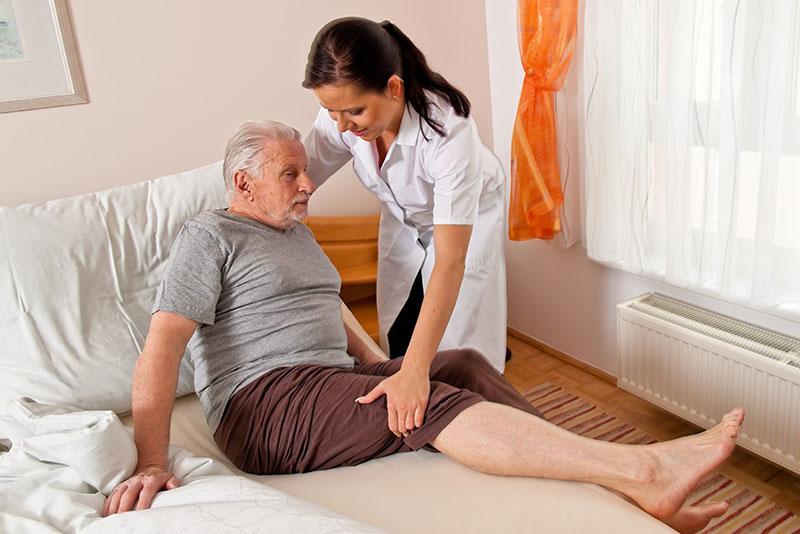

Physiotherapy at home is no longer just a convenience option; it has become a practical and highly effective form of rehabilitation for many conditions. Services like Physiotherapy At Home Dubai are designed to bring professional care directly to patients who may struggle with mobility, time constraints, or chronic health issues. With support from Doctor at Home, patients can also receive integrated medical supervision alongside rehabilitation, making home-based care a complete recovery solution. Knowing when to choose physiotherapy at home can significantly improve recovery speed, comfort, and long-term health outcomes.
After Surgery or Medical Procedures:
One of the most important times to consider physiotherapy at home is after surgery. Post-operative patients often experience pain, limited mobility, and fatigue, making travel to clinics difficult. Home physiotherapy ensures early rehabilitation begins safely and consistently.
Common post-surgery cases include:
- Knee or hip replacement surgery
- Spine or back surgery
- Ligament or tendon repair
- Abdominal or orthopedic procedures
- Fracture recovery rehabilitation
Early guided movement helps prevent stiffness, improve healing, and restore function faster.
When Mobility Is Limited:
Patients who struggle with walking, standing, or moving due to injury, illness, or aging are ideal candidates for home physiotherapy. Traveling to a clinic in such conditions can be painful, risky, or even impossible.
Home physiotherapy is beneficial when:
- Walking without assistance is difficult
- Balance issues increase fall risk
- Wheelchair use is required
- Severe pain limits movement
- Fatigue restricts physical activity
In these cases, treatment at home ensures safety and continuity of care.
For Chronic Pain Management:
Chronic conditions such as arthritis, back pain, or fibromyalgia often require long-term physiotherapy. Regular clinic visits may become inconvenient over time, making home-based care a better option.
Home physiotherapy helps manage:
- Persistent joint pain
- Chronic lower back pain
- Neck and shoulder stiffness
- Muscle fatigue and weakness
- Long-term inflammatory conditions
Consistent treatment at home helps reduce pain and improve daily function.
During Neurological Recovery:
Neurological conditions require structured and continuous rehabilitation. Patients recovering from stroke, Parkinson’s disease, or nerve injuries often benefit greatly from home physiotherapy due to their limited mobility and need for long-term support.
Home physiotherapy is recommended for:
- Stroke recovery and paralysis
- Parkinson’s disease management
- Multiple sclerosis rehabilitation
- Spinal cord injuries
- Nerve damage recovery
Therapy at home allows patients to practice real-life movements in a familiar environment.
When Elderly Patients Need Support:
Elderly individuals often experience reduced strength, balance issues, and age-related joint problems. Physiotherapy at home ensures they receive safe and comfortable treatment without the stress of travel.
It is especially helpful when seniors have:
- Difficulty walking or climbing stairs
- Frequent falls or balance issues
- Arthritis or joint stiffness
- Post-hospital discharge needs
- General weakness or frailty
Home-based care provides safety and improves independence.
After Sports Injuries:
Athletes and active individuals recovering from sports injuries often require focused rehabilitation to regain strength and prevent re-injury. Home physiotherapy allows them to follow structured programs without disrupting their daily routines.
Common sports injuries treated at home include:
- Ligament sprains and tears
- Muscle strains
- Shoulder and knee injuries
- Tendon inflammation
- Overuse injuries
Personalized home programs help speed up safe return to activity.
When Time and Convenience Are Limited:
Busy schedules can make it difficult to attend regular clinic sessions. Home physiotherapy is ideal for individuals who need flexible timing without compromising treatment quality.
This includes:
- Working professionals
- Parents with young children
- Caregivers with limited availability
- Individuals with tight schedules
- Patients needing frequent sessions
Convenience helps improve consistency, which is key to recovery.
When Personalized Care Is Needed:
Some patients require highly individualized treatment plans that focus on specific goals and conditions. Home physiotherapy allows therapists to design exercises based on real-life environments and daily activities.
Benefits of personalized home care include:
- One-on-one attention from physiotherapists
- Customized exercise programs
- Real-time progress monitoring
- Adjustments based on patient response
- Functional training in real settings
This leads to more effective and targeted recovery.
When Hospital or Clinic Visits Are Difficult:
Transportation barriers, long waiting times, or lack of nearby facilities can make clinic visits challenging. In such cases, physiotherapy at home becomes a practical alternative that ensures uninterrupted care.
Final Thoughts:
Physiotherapy at home should be considered whenever mobility is limited, recovery requires consistency, or convenience and safety are priorities. It is especially beneficial after surgery, during chronic pain management, neurological recovery, and for elderly patients. With professional guidance and structured treatment, home physiotherapy provides effective, personalized, and accessible rehabilitation that supports faster and safer recovery.
