


Pool Plaster Repair | The Complete Guide to Fixing, Restoring & Maintaining Your Swimming Pool
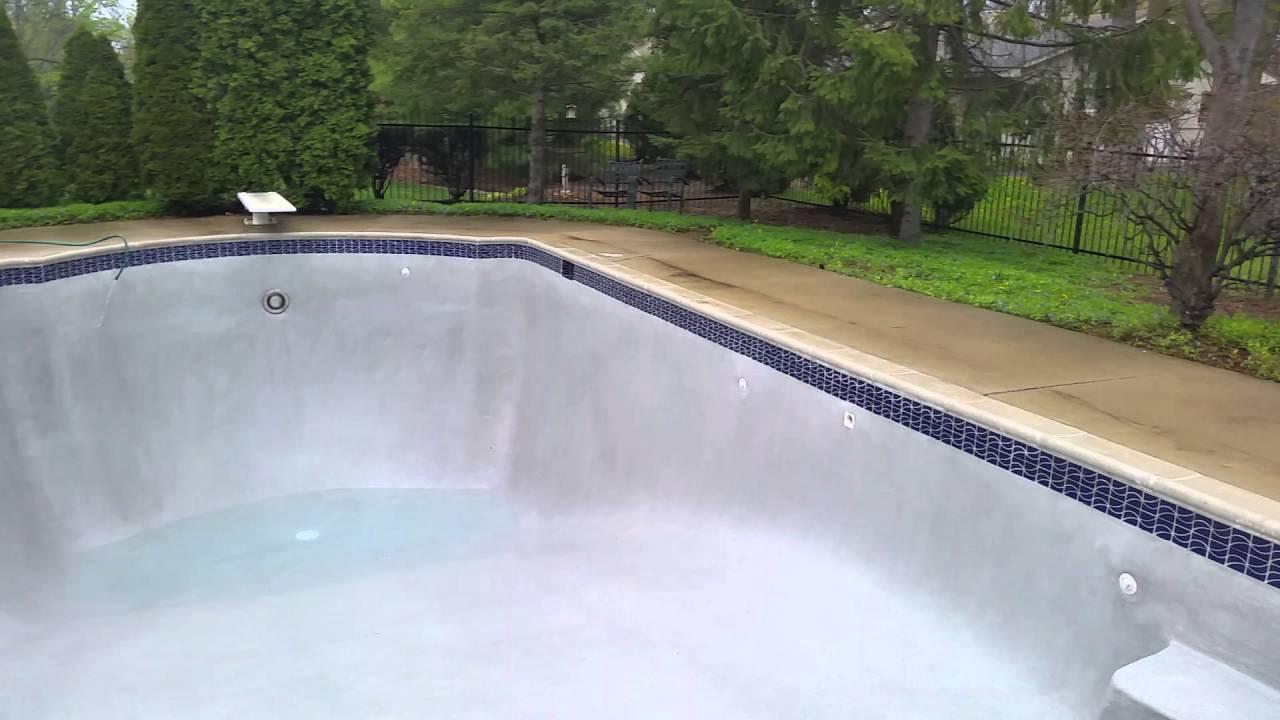
A swimming pool is a luxury—but only when it’s in good condition. Over time, even the best pools start to show signs of wear, especially in the plaster surface. Cracks, rough spots, discoloration, and stains are all signs that you may need pool plaster repair.
But don’t worry—this guide will walk you through everything you need to know, from identifying damage to fixing it properly and preventing future issues.
What is Pool Plaster?
Pool plaster is the smooth, waterproof layer applied over the concrete shell of a swimming pool. It serves two key purposes:
-
Protects the structural shell
-
Provides a smooth, comfortable finish
Typically made from a mixture of cement, sand, and water, plaster creates that classic clean look most pools have.
Why Pool Plaster Repair is Important
Ignoring damaged plaster can lead to bigger—and more expensive—problems.
Here’s why timely pool plaster repair matters:
-
Prevents water leakage
-
Protects pool structure
-
Improves swimmer safety
-
Enhances appearance
-
Extends pool lifespan
Think of plaster as your pool’s protective skin—once it’s damaged, everything underneath is at risk.
Common Signs You Need Pool Plaster Repair
Not sure if your pool needs repair? Look for these warning signs:
Cracks
Small surface cracks may seem harmless but can grow over time.
Rough Texture
If the surface feels abrasive, the plaster is wearing down.
Stains and Discoloration
Mineral deposits and chemical imbalances can cause visible stains.
Peeling or Flaking
Also known as “spalling,” this indicates serious deterioration.
Leaks
Water loss can be a sign of deeper plaster issues.
Causes of Pool Plaster Damage
Understanding the cause helps prevent future problems.
-
Poor water chemistry (imbalanced pH levels)
-
Aging (plaster typically lasts 7–15 years)
-
Improper installation
-
Environmental factors (heat, sun exposure)
-
Heavy usage
Regular maintenance can significantly slow down wear and tear.
Types of Pool Plaster Repairs
Not all damage requires a full renovation. Here are the main repair options:
Spot Repair
Fixing small cracks or chips using patching material.
Acid Washing
Removes stains and restores color—but doesn’t fix structural damage.
Replastering
Applying a new layer of plaster over the entire pool surface.
Resurfacing
Upgrading to materials like quartz or pebble finishes for better durability.
DIY vs Professional Pool Plaster Repair
Should you fix it yourself or call an expert?
DIY Repairs
-
Suitable for minor cracks and small patches
-
Cost-effective
-
Requires basic tools and materials
Professional Repairs
-
Best for large cracks or full replastering
-
Ensures long-lasting results
-
Includes proper surface preparation
For major issues, hiring professionals is always the safer choice.
Step-by-Step Guide to DIY Pool Plaster Repair
If you’re dealing with minor damage, here’s how to fix it:
Step 1: Drain the Pool
Ensure the damaged area is fully exposed.
Step 2: Clean the Surface
Remove debris, dirt, and loose plaster.
Step 3: Prepare the Area
Use a chisel or grinder to widen cracks slightly for better adhesion.
Step 4: Apply Patching Material
Use a pool plaster mix to fill the damaged area.
Step 5: Smooth the Surface
Blend the patch with surrounding plaster.
Step 6: Cure Properly
Allow time for the material to set before refilling the pool.
Cost of Pool Plaster Repair
Costs vary depending on the extent of damage:
-
Small repairs: $150 – $500
-
Medium repairs: $500 – $2,000
-
Full replastering: $4,000 – $10,000+
While repairs may seem expensive, delaying them often leads to higher costs.
How Long Does Pool Plaster Last?
On average, pool plaster lasts:
-
Standard plaster: 7–10 years
-
Quartz finishes: 10–15 years
-
Pebble finishes: 15–20 years
Proper maintenance can extend lifespan significantly.
Maintenance Tips to Prevent Future Damage
Prevention is always better than repair.
-
Maintain proper water chemistry
-
Brush pool walls regularly
-
Avoid sharp objects in the pool
-
Monitor water levels
-
Schedule regular inspections
These simple steps can save you thousands in repairs.
Best Materials for Pool Plaster Repair
Choosing the right material makes a big difference:
Standard White Plaster
Affordable but less durable.
Quartz Plaster
More durable and stain-resistant.
Pebble Finish
Premium option with long lifespan and textured look.
Each option offers different benefits depending on your budget and preference.
Common Mistakes to Avoid
Avoid these errors when performing pool plaster repair:
-
Ignoring small cracks
-
Using low-quality materials
-
Skipping surface preparation
-
Improper curing
-
Not balancing water chemistry after repair
Mistakes can lead to recurring damage and higher costs.
When to Replaster Instead of Repair
Sometimes repairs aren’t enough.
Consider full replastering if:
-
Damage is widespread
-
Plaster is over 10 years old
-
Surface is heavily stained or rough
Replastering gives your pool a fresh start.
Future Trends in Pool Surfaces
Modern pools are evolving with:
-
Eco-friendly materials
-
Longer-lasting finishes
-
Decorative textures and colors
-
Low-maintenance surfaces
Upgrading during repair can enhance both durability and aesthetics.
Conclusion
Pool plaster repair is essential for maintaining the beauty, safety, and longevity of your swimming pool. Whether you’re dealing with minor cracks or considering a full resurfacing, addressing issues early can save you time, money, and stress.
By understanding the causes, choosing the right repair method, and maintaining proper care, you can keep your pool looking and performing like new for years to come.
FAQs
How do I know if my pool needs replastering?
If the surface is rough, cracked, or over 10 years old, replastering may be necessary.
Can I repair pool plaster myself?
Yes, for minor damage—but major repairs require professional help.
How long does pool plaster repair take?
Small repairs take a few hours, while full replastering may take several days.
What causes pool plaster to crack?
Poor water chemistry, aging, and environmental factors are common causes.
How can I extend the life of my pool plaster?
Maintain proper water balance, clean regularly, and address damage early.

 Arabic
 French
 Spanish
 Portuguese
 Deutsch
 Turkish
 Dutch
Dutch
 Italiano
 Russian
 Romaian
 Portuguese (Brazil)
 Greek
Greek