


Moisture Measurement Instrument: The Complete Guide to Accurate Moisture Control
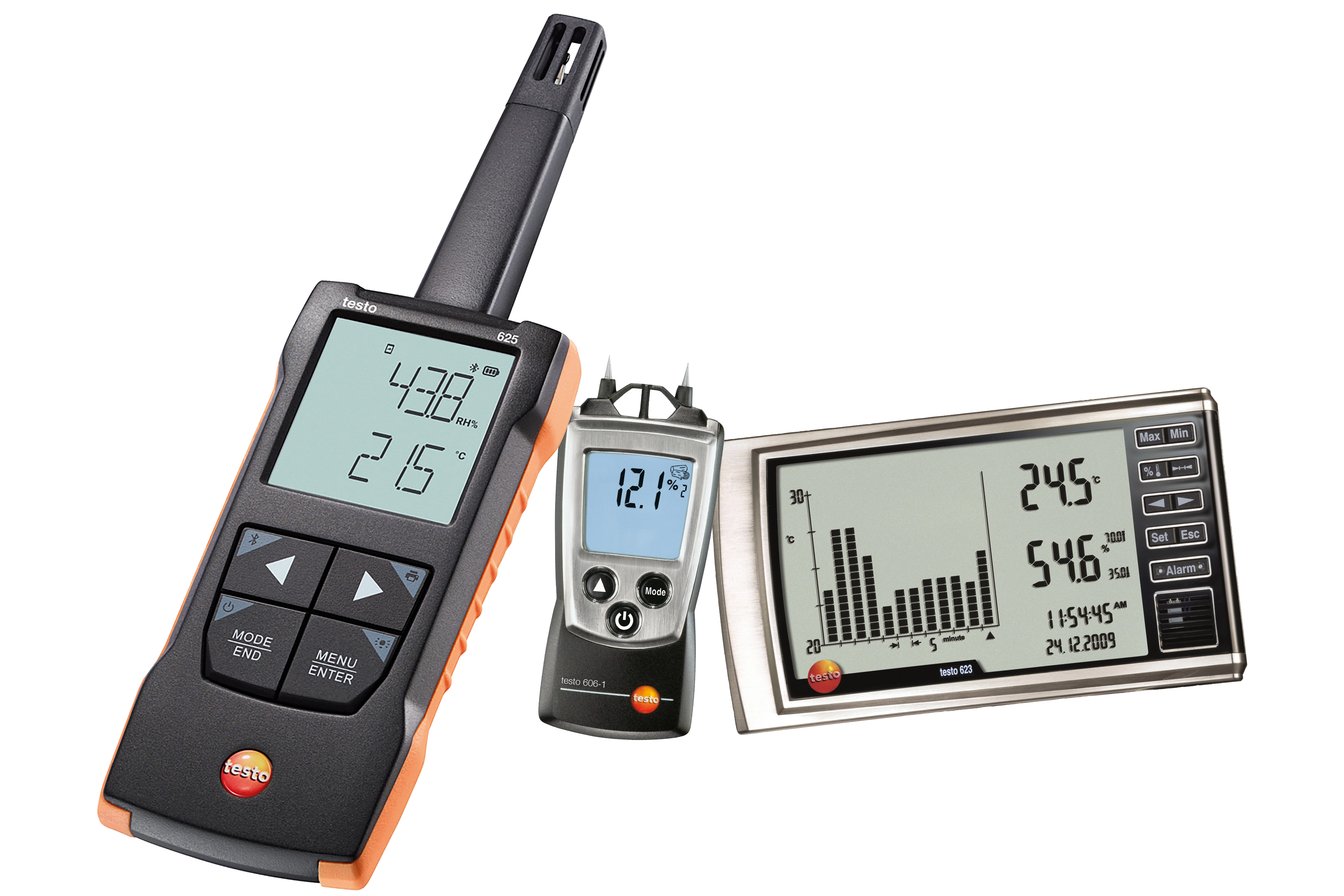
Ever wondered why moisture matters so much in industries, agriculture, or even at home? Moisture might seem like a minor detail, but it plays a critical role in product quality, safety, durability, and efficiency. This is where a moisture measurement instrument becomes essential.
A moisture measurement instrument is a device designed to detect and quantify the amount of moisture present in materials such as wood, soil, grains, concrete, or air. Whether you're preventing mold growth, ensuring product quality, or maintaining structural integrity, these tools are indispensable.
In this in-depth guide, we’ll break down everything you need to know about moisture measurement instruments—how they work, their types, applications, and how to choose the right one.
What Is a Moisture Measurement Instrument?
A moisture measurement instrument is a specialized device used to measure the water content within a substance. These instruments are used across multiple industries to ensure optimal moisture levels.
Why Moisture Measurement Matters
-
Prevents material damage and decay
-
Improves product quality and shelf life
-
Ensures compliance with industry standards
-
Enhances process efficiency
Think of it like checking your car’s fuel gauge—without it, you’re guessing. Moisture meters remove that guesswork.
Types of Moisture Measurement Instruments
Not all moisture meters are created equal. Depending on the material and purpose, different instruments are used.
1. Pin-Type Moisture Meters
These meters use two metal pins inserted into the material. They measure electrical resistance, which changes with moisture levels.
Best for:
-
Wood
-
Drywall
-
Building materials
2. Pinless Moisture Meters
Also known as non-invasive meters, these use electromagnetic signals to detect moisture beneath the surface.
Advantages:
-
No surface damage
-
Faster readings
-
Ideal for delicate materials
3. Soil Moisture Sensors
Used primarily in agriculture, these instruments measure moisture in soil to help optimize irrigation.
Common uses:
-
Farming
-
Landscaping
-
Environmental research
4. Grain Moisture Meters
These are designed specifically for measuring moisture in grains like wheat, corn, and rice.
Importance:
-
Prevents spoilage
-
Ensures proper storage conditions
5. Hygrometers
A hygrometer measures moisture in the air (humidity) rather than solid materials.
Applications:
-
Weather monitoring
-
HVAC systems
-
Indoor air quality control
How Do Moisture Measurement Instruments Work?
The working principle depends on the type of instrument, but most rely on one of the following methods:
Electrical Resistance Method
Water conducts electricity. More moisture = less resistance.
Capacitance Method
Measures how a material stores electrical charge, which changes with moisture content.
Infrared Method
Uses light absorption to detect moisture levels—commonly used in industrial processes.
Gravimetric Method
The most accurate method, involving:
Weighing the sample
Drying it completely
Reweighing to determine moisture loss
Key Features to Look for in a Moisture Meter
Choosing the right moisture measurement instrument can feel overwhelming. Here’s what really matters:
Accuracy
The most important feature. Look for devices with low error margins.
Measurement Range
Ensure it covers the moisture levels relevant to your application.
Material Compatibility
Different meters are designed for specific materials.
Display and Interface
Digital displays with backlighting improve usability.
Portability
Compact and lightweight devices are easier to handle in the field.
Calibration Options
Calibration ensures consistent accuracy over time.
Applications of Moisture Measurement Instruments
Moisture meters are used in a wide variety of industries. Let’s explore some key areas:
Construction Industry
Moisture meters help detect:
-
Water leaks
-
Damp walls
-
Structural weaknesses
Agriculture
Farmers use moisture sensors to:
-
Optimize irrigation
-
Improve crop yield
-
Prevent overwatering
Woodworking
Moisture content in wood affects:
-
Strength
-
Durability
-
Warping
Food Industry
Moisture levels influence:
-
Shelf life
-
Taste
-
Safety
HVAC and Indoor Air Quality
Hygrometers help maintain:
-
Comfortable humidity levels
-
Mold-free environments
Benefits of Using Moisture Measurement Instruments
Improved Quality Control
Accurate moisture readings ensure consistent product quality.
Cost Savings
Preventing damage reduces repair and replacement costs.
Enhanced Safety
Avoid issues like mold growth or structural failure.
Data-Driven Decisions
Make informed choices based on precise measurements.
Common Mistakes to Avoid
Even the best tools can give inaccurate results if used incorrectly.
Using the Wrong Meter
Always match the instrument to the material.
Ignoring Calibration
Uncalibrated devices can lead to incorrect readings.
Improper Placement
Incorrect positioning affects accuracy.
Environmental Interference
Temperature and humidity can impact readings.
How to Use a Moisture Measurement Instrument Properly
Here’s a simple step-by-step guide:
Select the correct meter for your material
Calibrate the device if necessary
Place or insert the sensor correctly
Take multiple readings for accuracy
Record and analyze the results
Pro tip: Always follow the manufacturer’s instructions for best results.
Maintenance and Care Tips
To ensure longevity and accuracy:
-
Keep the device clean and dry
-
Store in a protective case
-
Replace batteries regularly
-
Calibrate periodically
A well-maintained meter can last for years while delivering reliable results.
Latest Trends in Moisture Measurement Technology
Technology is evolving rapidly, and moisture measurement instruments are no exception.
Smart Moisture Sensors
Connected devices that provide real-time data via mobile apps.
Wireless Monitoring Systems
Ideal for large-scale operations like agriculture and manufacturing.
AI-Powered Analytics
Advanced systems analyze moisture trends for predictive insights.
Choosing the Right Moisture Measurement Instrument
Here’s a quick checklist:
-
What material are you measuring?
-
What level of accuracy do you need?
-
Will you use it indoors or outdoors?
-
Do you need portability or advanced features?
Answering these questions helps narrow down your options quickly.
Conclusion
A moisture measurement instrument is more than just a tool—it’s a critical component for ensuring quality, safety, and efficiency across multiple industries. From construction sites to farms and factories, accurate moisture measurement can make the difference between success and costly failure.
By understanding the different types, working principles, and best practices, you can confidently choose the right instrument for your needs. Whether you're a professional or a DIY enthusiast, investing in the right moisture meter is a smart decision that pays off in the long run.
FAQs
What is the most accurate moisture measurement method?
The gravimetric method is considered the most accurate but is time-consuming and mainly used in laboratories.
Can one moisture meter measure all materials?
No, different materials require specific types of moisture meters for accurate readings.
How often should I calibrate my moisture meter?
It depends on usage, but generally, calibration should be done every few months or as recommended by the manufacturer.
Are pinless moisture meters better than pin-type?
Pinless meters are non-invasive and faster, but pin-type meters can provide more precise readings for certain materials.
Can moisture meters detect mold?
No, but they can identify moisture conditions that promote mold growth, helping you take preventive action.

 Arabic
 French
 Spanish
 Portuguese
 Deutsch
 Turkish
 Dutch
Dutch
 Italiano
 Russian
 Romaian
 Portuguese (Brazil)
 Greek
Greek