


How to Trim Your Dog’s Nails at Home: Best Tools, Tips, and Mistakes to Avoid
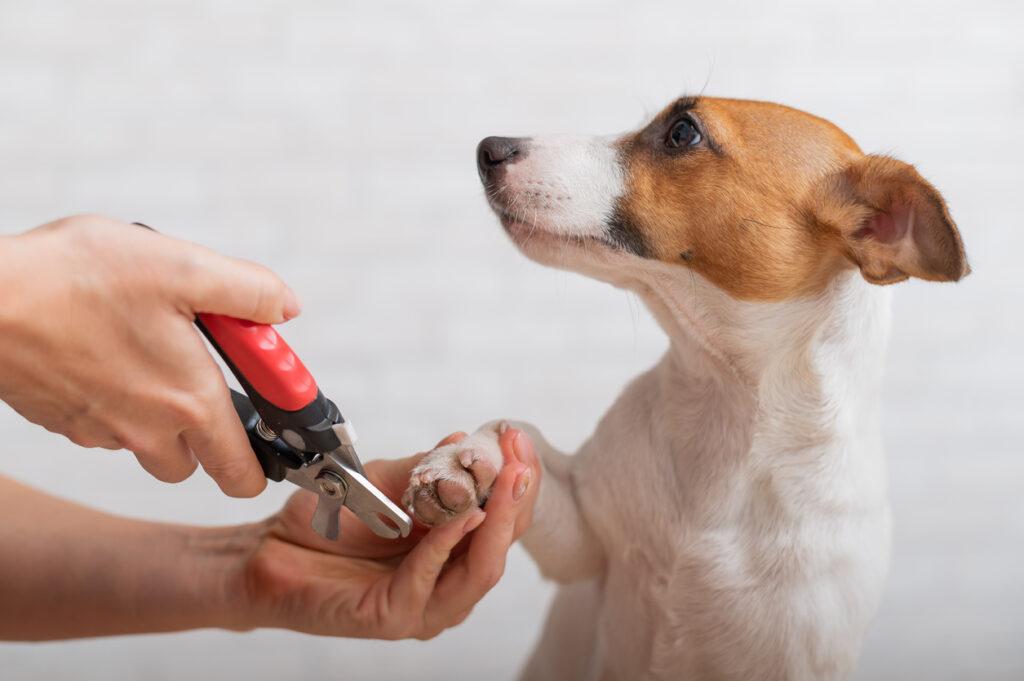
Keeping your dog’s nails trimmed is a vital part of their overall health and grooming routine. Overgrown nails can cause discomfort, affect your dog’s posture, and even lead to joint issues over time. While many pet owners feel nervous about trimming their dog’s nails, learning the right tools and techniques can make the process safe, simple, and stress-free.
Why Nail Trimming Matters
Long nails can make walking painful for dogs, especially when they start to press into the ground or curl inward. This can lead to improper weight distribution, increasing the risk of injury or long-term mobility problems. Regular nail trimming helps maintain proper paw structure and keeps your dog comfortable and active.
Best Tools for Dog Nail Trimming
Using the right tools is essential for both safety and efficiency. Here are the most commonly recommended options:
- Dog Nail Clippers: Available in scissor-style and guillotine-style, these are designed specifically for canine nails.
- Nail Grinder (Dremel Tool): A great alternative that files nails down gradually, reducing the risk of cutting too short.
- Styptic Powder or Pencil: Stops bleeding if you accidentally cut the quick.
- Treats: Helps reward your dog and create a positive experience.
- Towel or Non-Slip Mat: Keeps your dog steady and comfortable during the process.
Avoid using human nail clippers, as they are not suitable for the thickness and shape of dog nails.
Step-by-Step Guide to Trimming Your Dog’s Nails
- Choose a Calm Moment: Pick a time when your dog is relaxed, such as after a walk or play session.
- Position Your Dog Comfortably: Small dogs can sit on your lap, while larger dogs may lie on their side.
- Hold the Paw Gently: Firmly but gently hold your dog’s paw and isolate one nail at a time.
- Identify the Quick: In light-colored nails, the quick appears as a pink area. For dark nails, trim small amounts gradually.
- Trim Carefully: Cut just the tip of the nail at a slight angle.
- Reward Frequently: Give treats and praise after each nail or paw.
Take breaks if your dog becomes restless or anxious.
Tips to Keep Your Dog Calm
- Start Young: Puppies adapt more easily to grooming routines.
- Desensitize Gradually: Handle your dog’s paws regularly so they become comfortable with touch.
- Use Positive Reinforcement: Reward calm behavior with treats and affection.
- Keep Sessions Short: Don’t try to trim all nails at once if your dog is nervous.
- Stay Calm Yourself: Dogs can sense your emotions, so maintaining a relaxed attitude helps them feel safe.
Common Mistakes to Avoid
- Cutting the Quick: This can cause pain and bleeding. Always trim small amounts.
- Using Dull or Incorrect Tools: This can crush the nail instead of cutting it cleanly.
- Rushing the Process: Take your time to ensure safety and comfort.
- Ignoring Your Dog’s Stress Signals: Growling, pulling away, or panting are signs to pause.
- Skipping Regular Trims: Infrequent trimming allows the quick to grow longer, making future trims harder.
When to Seek Professional Help
If your dog is highly anxious, aggressive, or has very thick or dark nails, it may be best to consult a professional groomer or veterinarian. They can handle the process safely and may offer guidance for at-home care.
Final Thoughts
Trimming your Dog nail trimming at home may seem intimidating at first, but with the right tools, patience, and practice, it becomes a manageable part of your pet care routine. By keeping sessions calm and positive, you’ll help your dog feel more comfortable and ensure their paws stay healthy for years to come.

 Arabic
 French
 Spanish
 Portuguese
 Deutsch
 Turkish
 Dutch
Dutch
 Italiano
 Russian
 Romaian
 Portuguese (Brazil)
 Greek
Greek