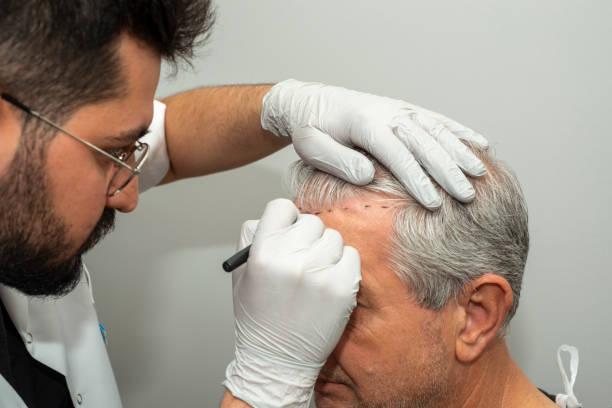
Hair loss can affect appearance and confidence, which is why many people look for long-term solutions to restore natural hair growth. One of the most effective and widely used treatments today is hair transplantation. Many patients choose Hair Transplant in Riyadh (زراعة الشعر) because it provides advanced techniques designed to restore hair density and create natural-looking results.
Modern hair transplant procedures are carefully planned to ensure that healthy hair follicles are moved from donor areas to thinning or bald regions. Clinics offering Hair Transplant in Riyadh focus on precise implantation so that the transplanted follicles grow naturally and blend with existing hair over time.
Understanding Hair Growth After Transplant
Hair transplant results do not appear immediately after the procedure. Instead, hair growth follows a natural biological cycle that takes place gradually over several months. After the follicles are implanted into the scalp, they enter a resting phase before new hair begins to grow.
This process is completely normal and part of the healing and growth cycle of transplanted follicles.
What Happens Immediately After the Procedure
In the first few days after a hair transplant, the scalp begins its initial healing phase. During this time:
- Mild redness or swelling may appear
- Small scabs form around transplanted follicles
- The scalp may feel slightly tight or sensitive
These effects usually settle within a few days as healing progresses.
Shedding Phase After Hair Transplant
One of the most important stages after a hair transplant is the shedding phase. Many patients notice that the transplanted hair begins to fall out within the first few weeks.
This is known as “shock loss” and is a completely normal part of the process. It does not mean the transplant has failed.
Why Shedding Happens
- The follicles temporarily enter a resting phase
- The scalp adjusts to the new grafts
- New growth will begin from the same follicles later
Even though the hair sheds, the roots remain active beneath the scalp.
When New Hair Starts Growing
New hair growth typically begins a few months after the procedure. The timeline may vary slightly from person to person depending on healing speed, technique used, and individual health factors.
General Hair Growth Timeline
- First 2–4 Weeks: Initial healing and shedding phase
- 3–4 Months: Early signs of new hair growth begin
- 5–6 Months: Hair becomes more visible and starts thickening
- 6–12 Months: Significant improvement in density and coverage
- 12+ Months: Final natural-looking results are achieved
This gradual process ensures that the hair grows in a natural direction and blends seamlessly with existing hair.
Factors That Affect Hair Growth Speed
The speed at which new hair grows after a transplant can vary depending on several factors.
Key Influencing Factors
- Overall health and healing ability
- Quality of donor hair
- Technique used during transplant (FUE or FUT)
- Post-procedure care and hygiene
- Lifestyle habits such as diet and smoking
Following aftercare instructions properly can significantly improve results and support healthy growth.
What Early Hair Growth Looks Like
When new hair starts growing, it may initially appear thin, soft, or uneven. This is normal and part of the natural maturation process.
Early Growth Characteristics
- Fine and light-colored hair strands
- Slow and gradual increase in density
- Uneven coverage at first
- Progressive thickening over time
As months pass, the hair becomes stronger, darker, and fuller.
How to Support Faster and Healthier Growth
While hair growth cannot be rushed, proper care can help ensure optimal results.
Helpful Aftercare Tips
- Follow all post-procedure instructions carefully
- Avoid scratching or rubbing the scalp
- Maintain a balanced diet rich in vitamins and protein
- Avoid smoking and alcohol during early healing
- Protect the scalp from direct sun exposure
These steps help support the natural growth cycle and improve final outcomes.
When Full Results Become Visible
Although early growth starts within a few months, full results take time to develop. Most patients see final, natural-looking hair restoration within 9 to 12 months after the procedure.
At this stage, the transplanted hair behaves like normal hair and can be washed, styled, and maintained normally.
Importance of Patience in Hair Transplant Results
One of the most important aspects of hair restoration is patience. Since hair grows in cycles, the improvement happens gradually rather than instantly.
Understanding this timeline helps patients stay confident throughout the process and appreciate the final natural results.
Book Your Consultation
If you are considering hair restoration and want to understand what results to expect, professional guidance can help you make the right decision. At Royal Clinic Saudia (عيادات رويال كلينك), advanced hair transplant procedures are designed to deliver natural-looking results with a carefully planned growth timeline. Book your consultation today to learn more about your personalized treatment plan.
FAQs:
How soon do new hairs grow after transplant?
New hair growth usually begins around 3 to 4 months after the procedure, with fuller results developing gradually over 6 to 12 months.
Why does hair fall out after a transplant?
This is a normal shedding phase called “shock loss,” where transplanted hairs fall out temporarily before new growth begins.
When will I see full results after hair transplant?
Most people see full and final results within 9 to 12 months after the procedure.
Is early hair growth after transplant normal?
Yes, early hair growth may appear thin and soft at first, but it gradually becomes thicker and more natural over time.