


The Essential Guide to Gold Jump Rings: Uses, Types, and Benefits in Jewelry Making
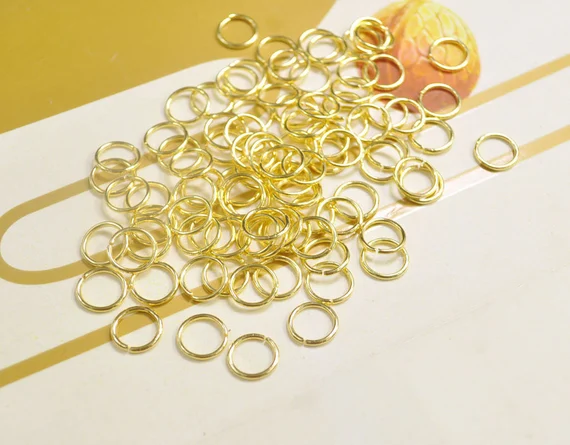
Gold jump rings are one of the most important components in jewelry making, serving as the small but powerful connectors that hold designs together. From delicate necklaces to intricate chainmaille patterns, these rings provide both functionality and elegance. Their warm, luxurious tone makes them a favorite among designers who want to create refined and high-quality pieces.
What Are Gold Jump Rings?
Gold jump rings are circular metal rings with a small opening (in most cases) that allows them to be twisted open and closed. They are used to connect various jewelry components such as chains, clasps, pendants, and charms. Available in different sizes, thicknesses, and finishes, gold jump rings can be adapted to suit a wide variety of designs.
Common Uses in Jewelry Making
Gold jump rings are incredibly versatile and are used in many aspects of jewelry construction:
- Connecting Components: They link chains to clasps, pendants to necklaces, and charms to bracelets.
- Extending Length: Jump rings can be used to adjust the length of necklaces or bracelets.
- Repair Work: They are essential for fixing broken chains or replacing damaged connectors.
- Decorative Elements: In some designs, especially chainmaille jewelry, jump rings are used as a central design feature rather than just a connector.
Their dual role as both functional and decorative elements makes them indispensable in any jewelry-making toolkit.
Types of Gold Jump Rings
Understanding the different types of gold jump rings helps in choosing the right one for your project:
1. Open Jump Rings
These have a small cut that allows them to be opened using pliers. They are ideal for assembling jewelry and making adjustments.
2. Closed Jump Rings
These rings are soldered shut, offering extra strength and durability. They are perfect for supporting heavier components or for use in high-stress areas.
3. Split Rings
Similar to key rings, split rings feature overlapping coils that provide additional security. They are often used for attaching charms that need extra durability.
4. Twisted or Textured Jump Rings
These rings feature decorative textures or patterns, adding visual interest and enhancing the overall design.
Materials and Quality Options
Gold jump rings are available in several material variations, each with its own benefits:
- Solid Gold: Offers the highest quality, long-lasting shine, and resistance to tarnish, making it ideal for fine jewelry.
- Gold-Filled: Contains a thick layer of gold bonded to a base metal, providing durability and a high-end look at a more affordable price.
- Gold-Plated: Features a thin layer of gold over a base metal, making it budget-friendly but less durable over time.
Choosing the right material depends on your budget, the type of jewelry you are creating, and how frequently the piece will be worn.
Choosing the Right Size and Gauge
Gold jump rings come in a range of sizes (measured in millimeters) and gauges (thickness of the wire). Selecting the correct size and gauge is crucial for both aesthetics and strength:
- Smaller Rings: Ideal for delicate and intricate designs.
- Larger Rings: Better suited for bold or statement pieces.
- Thicker Gauges: Provide greater strength and durability.
- Thinner Gauges: Offer flexibility and a more refined appearance.
Balancing size and strength ensures your jewelry is both beautiful and functional.
Benefits of Using Gold Jump Rings
Gold jump rings offer several advantages that make them a preferred choice among jewelry makers:
- Elegant Appearance: Their rich gold tone enhances the overall look of any piece.
- Versatility: Suitable for a wide range of designs, from simple to complex.
- Durability: High-quality options resist tarnishing and wear.
- Compatibility: They pair well with gemstones, pearls, and other metals.
- Professional Finish: Using gold jump rings gives jewelry a polished and premium feel.
Tips for Working with Gold Jump Rings
To achieve the best results, keep these tips in mind:
- Use Proper Tools: Flat-nose or chain-nose pliers help open and close rings without damaging them.
- Twist, Don’t Pull: Always twist jump rings sideways to maintain their shape.
- Ensure Secure Closure: Make sure the ends meet perfectly to avoid gaps.
- Match Components: Use jump rings that match the color and finish of other elements in your design.
Conclusion
Gold jump rings may be small, but their impact on jewelry design is significant. They provide the essential connections that hold pieces together while adding a touch of elegance and sophistication. By understanding their uses, types, and benefits, jewelry makers can select the right jump rings for any project and create designs that are both durable and visually stunning. Whether you are crafting everyday accessories or fine jewelry, gold jump rings are a timeless and reliable choice.
 Italiano
 English
 Arabic
 French
 Spanish
 Portuguese
 Deutsch
 Turkish
 Dutch
Dutch
 Russian
 Romaian
 Portuguese (Brazil)
 Greek
Greek